
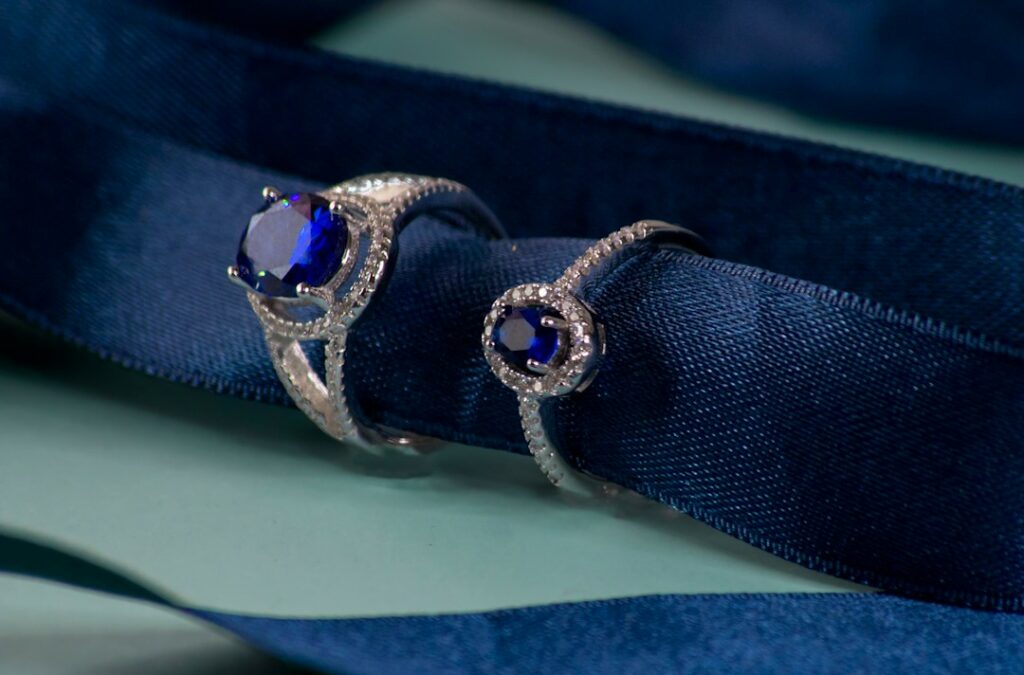
Blue sapphire, commonly called Neelam in India, is a blue variety of corundum. In Jyotisha, it is traditionally associated with Shani or Saturn. Because astrological traditions often treat this stone as significant, people may seek personalised advice before wearing it. These beliefs are not scientific guarantees. From a buying perspective, the stone’s identity, treatment, quality and setting should be checked carefully.
What is blue sapphire?
Blue sapphire is a durable gemstone in the corundum family. Its colour ranges from light blue to deep blue and may show different tones under different lighting. Gemstone value is influenced by colour, clarity, cut, carat weight, origin and treatments. A dark stone is not automatically better, and a bright photograph can make colour difficult to judge.
Neelam and Shani in traditional astrology
In Jyotisha, Shani is associated with discipline, responsibility, time, endurance and consequences. Blue sapphire is commonly linked with this graha. Some practitioners recommend it only after considering the full birth chart and relevant timing periods. There are differences among astrologers and traditions, so ask for a clear explanation rather than accepting pressure or fear-based sales claims.
What to check before buying Neelam
- Identity: Confirm that the stone is natural corundum, synthetic corundum or an imitation, as applicable.
- Treatment: Ask whether it has been heated, diffusion-treated, fracture-filled or otherwise enhanced.
- Colour: Review the stone in neutral lighting and ask for a video if possible.
- Clarity: Understand visible inclusions and whether they affect durability.
- Cut and weight: Compare measurements, not only carat weight.
- Certification: Check the report number and whether the report describes the exact stone.
Why treatment disclosure matters
Gem treatments are common in the jewellery market and can affect price, appearance and care. Heating may be used to improve colour or clarity. Other treatments may require additional disclosure and can affect durability or long-term stability. Ask the seller to explain treatments in plain language and ensure that the documentation matches the item.
RudraGram includes blue sapphire among its gemstone collection. Check the individual product page for weight, dimensions, treatment and available lab report details. Certification may vary by listing, so do not assume every stone has an identical report.
Choosing a setting
Blue sapphire is hard, but its edges can still chip if struck. A secure setting with appropriate protection is important, especially for daily wear. Ask a jeweller to inspect prongs and the stone periodically. Avoid exposing jewellery to harsh chemicals or sudden impacts.
Related Spiritual Guides
Frequently asked questions
Is Neelam considered a powerful gemstone?
Some astrological traditions regard it as significant because of its association with Saturn. That is a traditional belief, not a measurable guarantee of results.
Should everyone wear blue sapphire?
No. In Jyotisha, recommendations are often personalised. If you follow that system, consult a practitioner who explains the chart-based reasoning.
Can a lab report tell whether Neelam is right for my horoscope?
No. A gemological report describes the stone; it does not interpret a birth chart.
Is synthetic sapphire the same as natural sapphire?
They share the same basic mineral composition but differ in origin and market classification. A seller should disclose whether the stone is natural or laboratory-grown.
Separate tradition from product facts
Neelam may have deep meaning within a spiritual or astrological practice. Make the decision thoughtfully: understand the tradition, verify the gemstone, read treatment disclosures and avoid promises that no seller can substantiate.