
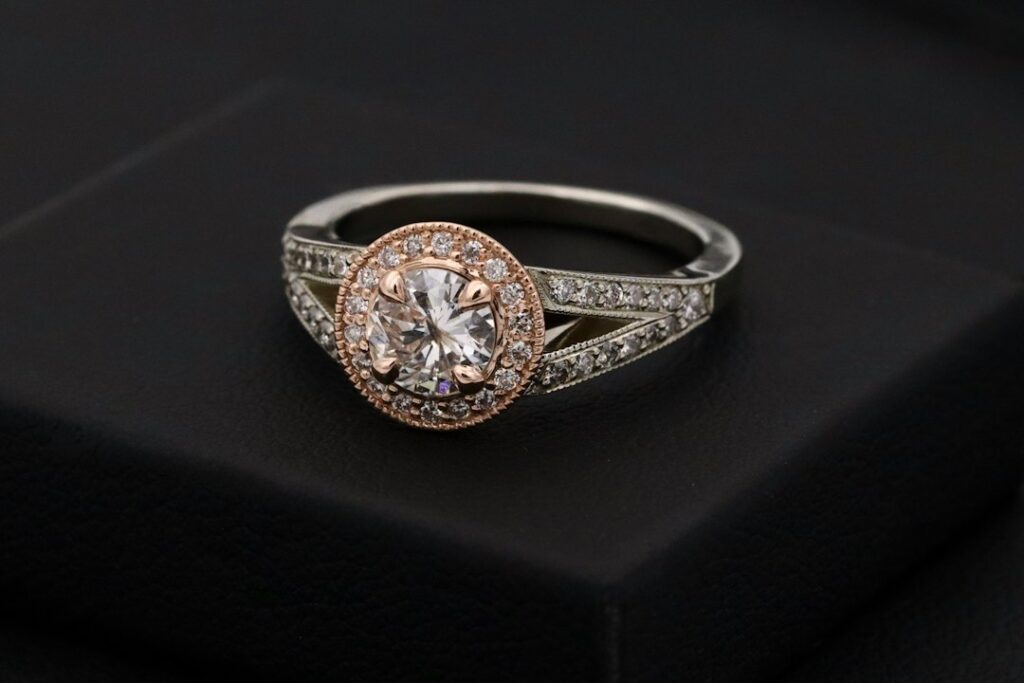
Buying a gemstone ring online can be exciting, but the number of choices can make the process confusing. A good-looking stone is only one part of the decision. You also need to understand whether the gemstone is natural, whether it has been treated, what certification is available, how the ring is made, and whether the stone is suitable for the type of use you have in mind.
This guide explains the practical questions to ask before ordering a gemstone ring online, especially if you are buying one for traditional astrological purposes or as a long-term piece of jewelry.
1. Decide Why You Are Buying the Ring
Start with the purpose. Some buyers want a gemstone ring because they like the stone and design. Others follow Jyotish traditions and want a particular gemstone associated with a planet. These are different buying decisions.
If astrology is the reason, identify the gemstone recommended by your chosen tradition before shopping. If appearance and jewelry are your priority, focus more heavily on color, cut, durability, comfort, and setting quality.
2. Check Whether the Gemstone Is Natural
Ask whether the stone is natural, lab-created, treated, or an imitation. A natural gemstone formed in nature is different from a synthetic stone grown in a laboratory. A natural stone can also have treatments that improve its appearance.
The important point is disclosure. You should know exactly what you are purchasing instead of relying on vague terms such as “original” or “premium.”
3. Ask for a Gemstone Certificate
For higher-value stones, a laboratory report can provide useful information about identity and, depending on the laboratory and report, treatments and other characteristics.
Check that the report identifies the gemstone you are actually purchasing. If a seller provides only a generic certificate photograph, ask whether the report number corresponds to your individual stone.
4. Choose the Right Ring Setting
The setting protects the gemstone and affects how the ring looks and feels. Common choices include bezel, prong, halo, and other decorative settings. Your lifestyle matters here.
If you work with your hands frequently, a protective setting may be more practical than a design with exposed edges. If the ring is mainly for occasional wear, you may have more flexibility with the design.
5. Consider Metal and Ring Size
Do not focus only on the gemstone. Check the metal type, purity, weight, finish, and ring size. If ordering internationally, confirm the seller’s ring-size system and ask whether a size conversion chart is available.
A well-cut gemstone can still feel disappointing if the ring is uncomfortable or the setting is poorly finished.
6. Look at the Actual Stone
Whenever possible, ask whether the product photograph shows the exact stone you will receive. Natural gemstones vary in color, inclusions, transparency, and shape, so stock photography can create unrealistic expectations.
7. If Buying for Astrology, Understand the Tradition
In Jyotish traditions, gemstones are associated with planets. Examples include yellow sapphire with Jupiter, blue sapphire with Saturn, emerald with Mercury, pearl with the Moon, and red coral with Mars. These associations belong to traditional astrology and should not be presented as scientifically proven medical treatments.
If you are buying an astrological gemstone, consider following guidance from a qualified practitioner within the tradition you follow, then verify the gemstone’s natural status and documentation before purchasing.
You can compare RudraGram gemstone options and review the available product details before choosing a stone.
8. Compare Prices Carefully
Two rings with the same gemstone name can have very different prices. Factors include natural versus synthetic origin, treatment, carat weight, clarity, color, cut, certification, metal, craftsmanship, and rarity.
A low price is not automatically a bargain, and a high price is not automatically proof of quality. Compare specifications rather than headlines.
9. Check Shipping and Return Policies
For online purchases, shipping and returns are part of the buying decision. International buyers should check delivery timelines, packaging, insurance where applicable, and the seller’s policy if the ring arrives damaged or does not match the listing.
Common Mistakes to Avoid
- Buying an expensive ring without checking gemstone documentation.
- Assuming “natural” means untreated.
- Choosing a stone only because it has a popular color.
- Ignoring ring size conversion when ordering internationally.
- Using dramatic promises about wealth, health, or relationships as proof of gemstone quality.
FAQs
How do I know if a gemstone ring is genuine?
Ask whether the gemstone is natural, synthetic, treated, or an imitation, and request appropriate laboratory documentation for higher-value stones. A certificate should correspond to the actual stone when possible.
Which gemstone is best for an astrology ring?
There is no single gemstone that is best for everyone. Traditional Jyotish associates different gemstones with different planets. If astrology is your reason for buying, choose according to the tradition and guidance you follow.
Can I buy a gemstone ring online?
Yes. Online buying can work well when the seller provides clear specifications, actual or representative photographs clearly identified, certification where appropriate, sizing information, and transparent return policies.
Should I choose gold or silver for a gemstone ring?
That depends on the gemstone, design, tradition you follow, budget, and personal preference. The setting should securely hold the stone and be comfortable for regular wear.
Final Thoughts
A gemstone ring is a combination of a gemstone and a piece of jewelry, so both deserve attention. Verify the stone, understand treatments and certification, choose a practical setting, confirm the size, and buy from a transparent seller. If you are purchasing for traditional astrology, separate the spiritual tradition from claims that cannot be scientifically guaranteed.