
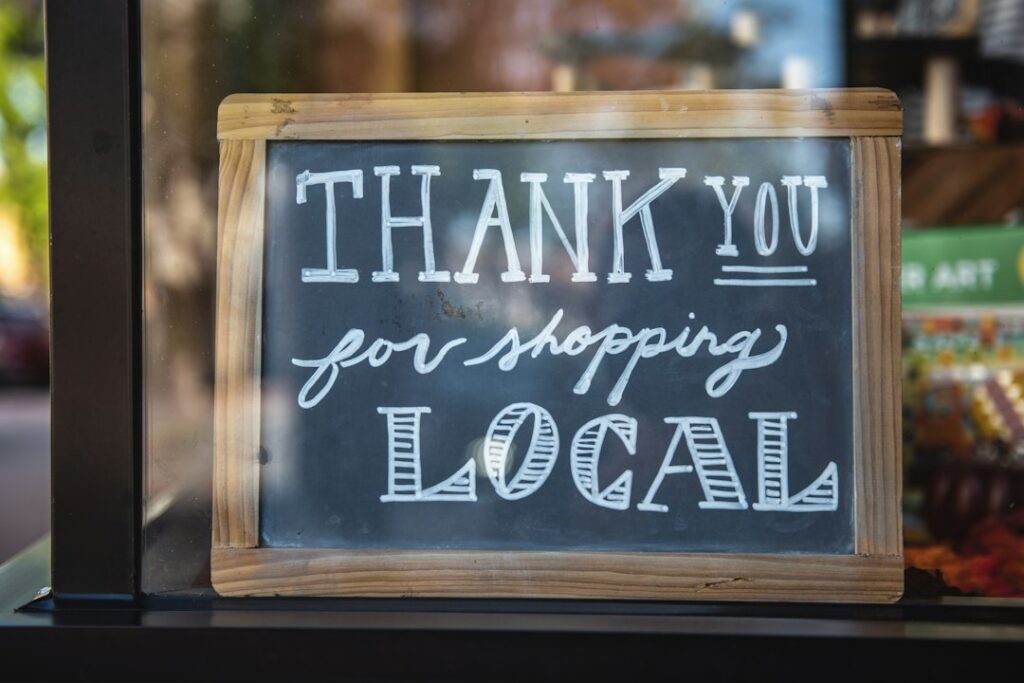
Local marketing helps a business become visible to people in a defined service area when they are researching or ready to buy. The most effective plan is usually a combination of accurate business information, useful local pages, customer proof, partnerships and consistent follow-up. The right mix depends on whether customers visit your location, you travel to them or you serve them remotely.
1. Define your real service area
List the towns, neighborhoods or counties you can serve profitably and reliably. Consider travel time, staffing, delivery costs and local competition. Do not advertise locations you cannot serve. If you have a physical location, keep the address and hours accurate across platforms.
2. Improve your local search presence
For eligible businesses, claim and maintain a Google Business Profile. Use the correct business name, category, phone, website, hours and service details. Add genuine photos, answer common questions and respond to reviews professionally. Follow Google’s guidelines; do not create fake locations or incentivize misleading reviews.
3. Build useful location pages
A location page should help a customer in that area understand whether you serve them. Include the actual service, local contact details where appropriate, realistic availability, relevant examples and clear next steps. Avoid creating dozens of near-identical pages that simply swap city names. Thin doorway pages can harm user trust and search quality.
4. Make your website convert
Show the service, service area, proof, process and contact method near the top of the page. Use mobile-friendly layouts, fast-loading images, accessible forms and click-to-call links where relevant. Explain what happens after someone submits an enquiry and when they can expect a response.
5. Earn genuine reviews and referrals
Ask customers for honest feedback after a completed job or meaningful interaction. Make the request simple and neutral; do not ask only happy customers or offer rewards where prohibited. Respond to criticism calmly, protect private information and take detailed disputes offline when appropriate.
6. Build local partnerships
Connect with complementary providers, chambers of commerce, neighborhood groups, trade associations and community organizations. Useful partnerships may include co-hosted educational events, referral introductions or shared resources. Agree expectations in writing when money, leads or customer data are involved.
7. Use community content
Publish helpful material tied to local customer needs: seasonal maintenance, local regulations from authoritative sources, preparation checklists, event participation or common service questions. Keep claims accurate and avoid pretending to be affiliated with government bodies or local organizations.
8. Test paid campaigns carefully
Choose a defined geographic area and a specific service or offer. Make sure calls and forms are tracked and that the team can answer enquiries. Use a modest test budget, exclude irrelevant locations and review lead quality, booked appointments and revenue. A cheap lead is not necessarily a good lead.
9. Track results by location and channel
Use consistent campaign tracking, call records and CRM source fields. Monitor qualified leads, response time, appointment rate, close rate, revenue and margin. Review results by service area to identify places where travel or acquisition costs are too high.
30-day local marketing checklist
- Confirm the profitable service area and customer segment.
- Correct business details across major directories and profiles.
- Improve the main service page and contact experience.
- Create or improve genuinely useful location pages.
- Ask recent customers for honest feedback.
- Contact five complementary local partners.
- Publish two useful local customer guides.
- Review lead quality and closed business by source.
Common local marketing mistakes
- Listing locations the business does not genuinely serve.
- Using duplicate city pages with little unique value.
- Buying reviews or using misleading review incentives.
- Running ads without call and form tracking.
- Measuring clicks instead of qualified leads and sales.
- Ignoring missed calls and slow enquiry follow-up.
Related small-business guides
- How to Generate Leads for a Small Business
- How to Get Your First 100 Customers: A Small Business Guide
- Improve Customer Service in a Small Business
Frequently asked questions
Does every small business need a Google Business Profile?
No. Eligibility depends on the business model and Google’s guidelines. Businesses that interact with customers in person may qualify; online-only businesses generally should not create a profile as though they have a physical local presence.
How many location pages should I create?
Create pages only for meaningful areas you serve and where you can provide genuinely useful local information. Quality and accuracy matter more than page count.
How much should a small business spend on local marketing?
There is no universal percentage. Set a test budget based on cash flow, customer value, gross margin and the cost of reaching the audience. Increase spend only when the business can measure and fulfil demand.
Platform rules and local requirements can change. Check current official guidance before launching campaigns.