
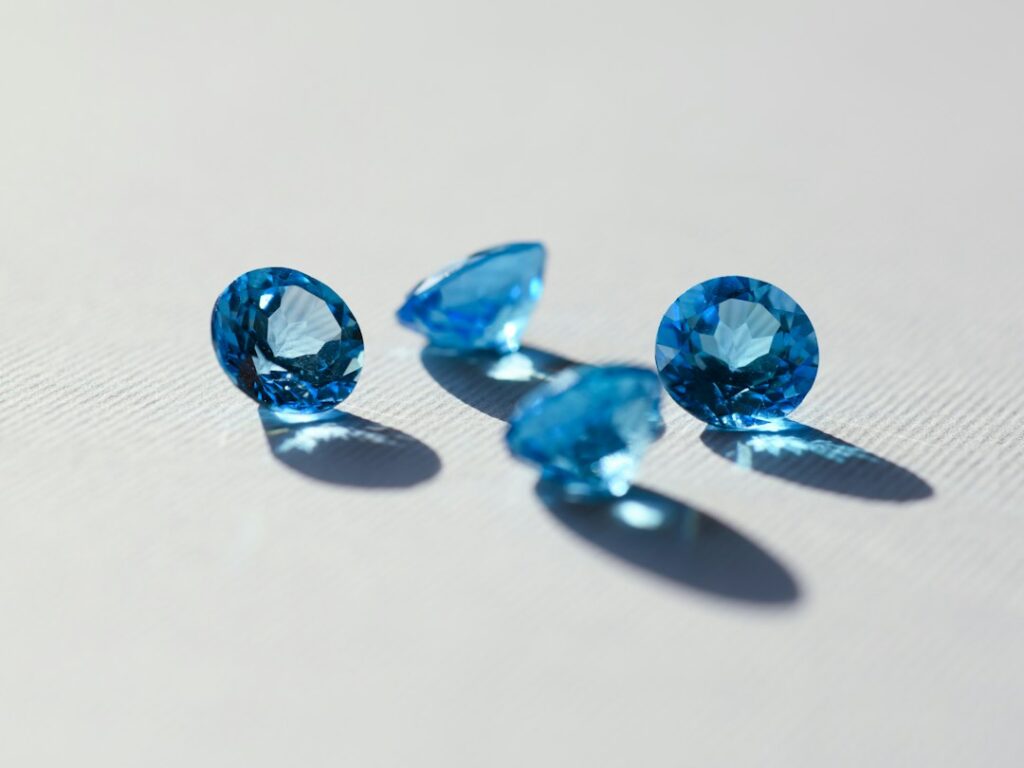
Shopping for a gemstone online often starts with a simple question: “Is this stone natural?” The answer matters because natural gemstones, treated stones, synthetic stones, and imitation materials can have very different origins and market values. If you are buying a gemstone for jewelry or traditional astrological use, understanding these categories can save you from paying for something you did not intend to purchase.
Natural, Lab-Created, Treated and Imitation: What Do These Terms Mean?
A natural gemstone forms in nature through geological processes. A lab-created or synthetic gemstone is produced by people but can have the same or very similar chemical and crystal characteristics as its natural counterpart. A treated gemstone is a natural stone that has been altered to improve color, clarity, durability, or appearance. An imitation is a different material made to look like another gemstone.
These categories should not be confused. A lab-created stone is not automatically “fake”; it is simply not naturally formed. Likewise, a treated natural gemstone can still be a genuine natural gemstone, but the treatment should be disclosed.
Why Certification Matters
For higher-value gemstones, a laboratory report can provide useful information about identity and, depending on the report, treatments or other characteristics. Always check the name of the laboratory, report number, date, stone description, and whether the report corresponds to the exact stone you are buying.
What to Ask an Online Gemstone Seller
- Is the gemstone natural, synthetic, treated, or an imitation?
- What is the stone’s weight and dimensions?
- Is a laboratory certificate available?
- Are treatments disclosed?
- Is the photograph of the actual stone or a representative image?
- What is the return or replacement policy?
- How is the gemstone packaged and shipped?
Does Natural Always Mean Better?
Not automatically. The right choice depends on your purpose and budget. A natural stone may be important to a buyer seeking a naturally formed gemstone for traditional astrological practice, while another buyer may primarily care about appearance and price. The important point is to know which category you are purchasing.
If you are comparing traditional gemstone options, you can browse the RudraGram gemstone collection. For buyers interested in astrology-oriented choices, it is better to identify the traditionally associated gemstone first and then compare quality and documentation rather than shopping only by color.
Natural Gemstones for Traditional Astrology
In Jyotish traditions, certain gemstones are associated with particular planets, such as yellow sapphire with Jupiter, blue sapphire with Saturn, emerald with Mercury, pearl with the Moon, red coral with Mars, and cat’s eye with Ketu. These are traditional associations, not scientific medical prescriptions.
For a traditional astrology purchase, buyers should consider the stone’s identity, natural status, treatment disclosure, certificate, and suitability according to their chosen astrological tradition.
Red Flags When Buying Gemstones Online
Be cautious when a listing guarantees instant wealth, health cures, relationship results, or other absolute outcomes. Another warning sign is a high-value gemstone being sold without any meaningful specification or documentation. Stock images with no indication that the pictured stone is the actual item can also make quality assessment difficult.
How to Compare Two Gemstones
Compare more than color. Look at origin category, weight, dimensions, clarity, transparency, treatment, certificate, seller reputation, return policy, and whether the stone shown is the stone you will receive. For jewelry, also consider the setting and metal quality.
FAQs
Are lab-created gemstones fake?
No. Lab-created or synthetic gemstones are intentionally grown or manufactured to reproduce the characteristics of a natural gemstone. They should simply be accurately disclosed as synthetic or lab-created.
Can a natural gemstone be treated?
Yes. Many natural gemstones may receive treatments. Buyers should ask whether treatment has been applied and whether it is disclosed on the certificate or product description.
Do I need a certificate for every gemstone?
Not necessarily, but certification becomes increasingly valuable as the stone’s price and claimed rarity increase. For an expensive purchase, ask for documentation that clearly identifies the stone.
What should I buy for astrological use?
If you follow traditional Jyotish, first identify the gemstone traditionally associated with the intended planet and then focus on natural status, quality, treatment disclosure, and certification. Personal astrological guidance is separate from laboratory identification.
Final Thoughts
A good gemstone purchase starts with clarity. Know whether the stone is natural, synthetic, treated, or an imitation; ask for documentation when appropriate; and never let dramatic claims replace basic product information. When shopping online, transparency is one of the strongest indicators of a professional seller.