
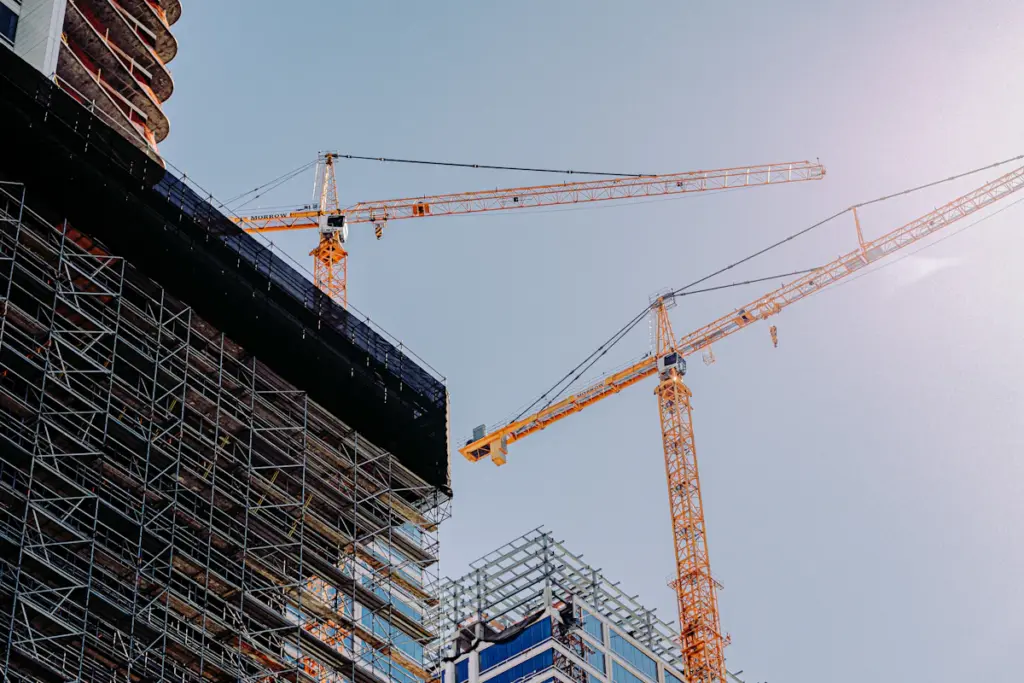
Construction company marketing in the USA is about credibility at scale. Owners, developers and facility managers choosing a builder for a significant project want proof that you have done similar work, on time and on budget, safely. The construction companies winning bigger projects have a website built around their project portfolio and sectors, case studies with real numbers, SEO for the project types and regions they serve, a strong LinkedIn presence, visibility on bid platforms, reviews and references, and clear information that AI tools can cite when someone asks for builders in their area.
How construction buyers choose
Commercial and institutional clients typically shortlist builders through referrals, past relationships, bid lists and online research. Residential custom-home clients research heavily online and look closely at portfolios and reviews. In both cases, the website is often the first serious evaluation. A thin or outdated site can knock you off a shortlist before you know you were on it.
Step 1: Build the website around projects and sectors
- Project portfolio with filters by sector (healthcare, education, industrial, retail, multifamily, residential), each project showing scope, size, budget range, schedule and photos.
- Sector pages explaining your experience, certifications and approach in each.
- Services: general contracting, construction management, design-build, preconstruction.
- Safety record, bonding capacity and insurance.
- Team with experience and credentials.
Step 2: Case studies with real outcomes
Detailed case studies explain the challenge, your approach, how you handled problems, and the results: delivered two weeks early, zero lost-time incidents, LEED certification, budget savings through value engineering. These are the pieces owners forward internally.
Step 3: Construction SEO
Target searches like “commercial construction company [city]”, “design-build contractor [state]”, “medical office construction” and “custom home builder [city]”. Sector pages, location pages and project pages all contribute. Technical SEO matters: fast pages, compressed images and clean structure.
Step 4: LinkedIn and relationships
Owners, developers, architects and facility managers are active on LinkedIn. Share project milestones, completions, safety achievements and team stories. Leadership posting regularly builds visibility. Relationships with architects and engineers generate many opportunities.
Step 5: Bid and RFP visibility
Register on relevant bid platforms and public procurement portals, keep prequalification documents current, and make your capabilities statement easy to download from the website. For public work, track opportunities consistently.
Step 6: Reviews and references
Google reviews matter for residential and smaller commercial work. For larger projects, client testimonials and references on the site carry weight. Ask for them at project closeout.
Step 7: Recruiting is marketing too
Labour shortages limit growth for many builders. A careers page showing culture, safety, training and projects helps attract skilled workers and supervisors.
Step 8: AI search
People increasingly ask AI tools “top commercial builders in [city]” or “design-build vs design-bid-build”. Clear sector pages, case studies, FAQs and consistent listings help AI tools describe and recommend your company. For residential trades, see also our guide to general contractor marketing.
What to expect
Website and case study improvements help immediately in active bids. SEO for construction terms usually takes four to nine months. LinkedIn and relationship marketing compound over a year or more.
In-house or with a specialist
One option is the construction company marketing programme from QHR Solutions, which covers websites, SEO, Google Business Profile, content and AI search visibility for builders, with a free audit and 90-day plan within 48 hours and no lock-in. (Disclosure: QHR Solutions built and supports this publication.) For lead-generation basics, see our guide on how to generate leads for a small business.
A 30-day checklist
- Add ten projects with scope, size and photos.
- Write sector pages for your top three markets.
- Publish two detailed case studies.
- Add safety, bonding and insurance details.
- Create a downloadable capabilities statement.
- Optimise Google Business Profile.
- Post weekly on LinkedIn.
- Register on relevant bid platforms.
- Request testimonials at project closeouts.
- Update the careers page.
Common mistakes construction companies make
- Portfolio without context. Beautiful photos with no project size, budget range, schedule or challenges tell an owner very little. Context turns a gallery into evidence.
- Outdated project lists. If the newest project on the website is five years old, prospects assume the company has slowed down.
- Generic capability statements. “Quality, integrity, on-time delivery” is claimed by everyone. Specific numbers (EMR safety rating, bonding capacity, square footage delivered, repeat client percentage) are far more persuasive.
- No sector focus. Owners prefer builders experienced in their building type. Lead with the sectors where you are strongest.
- Neglecting relationships with design professionals. Architects and engineers influence many contractor selections. Regular contact matters.
How to budget your marketing
Construction marketing budgets are usually modest relative to revenue, but the value of a single won project is high. Prioritise a strong website with sector pages and case studies, consistent LinkedIn activity, professional photography of completed projects, and SEO for your sectors and region. Trade association memberships and events can be worth more than paid ads for commercial work. For residential custom building, add Google Ads and local SEO.
How to measure what is working
Track opportunities by source (referral, architect, bid platform, website, LinkedIn), bid-hit ratio by sector and project size, and repeat client percentage. Monitor website inquiries and capability statement downloads. Review quarterly and invest in the relationships and channels that produce shortlists and awards in your target sectors.
A real-world example
Consider a regional commercial builder with a strong record in healthcare and education projects but a website that showed only a few photos and a list of services. Owners and architects researching contractors found little to differentiate it. The company built sector pages for healthcare, education and light industrial work, published detailed case studies with project size, schedule, budget outcomes and safety records, added a downloadable capabilities statement with bonding capacity and EMR, and began posting project milestones on LinkedIn. Leadership also scheduled regular lunch meetings with architecture firms. Over the following year, the company was invited to more private bids in its target sectors and won a higher share of them.
A 90-day action plan
Days 1–30: Identify your top two or three sectors, create sector pages, and gather data for case studies (scope, schedule, budget, safety). Days 31–60: Publish two detailed case studies, create a capabilities statement, update the careers page and post weekly on LinkedIn. Days 61–90: Meet with five architecture or engineering firms, register on relevant bid platforms, request client testimonials and track opportunities by source.
What clients look for before they call
Construction clients, whether developers, business owners, school districts or property owners planning a commercial building, evaluate contractors carefully because projects involve large budgets and long timelines. Before reaching out, they look for relevant project experience in their sector, such as healthcare, retail, industrial, education or multifamily. They want to see completed project case studies with size, budget range, schedule and challenges solved. Safety records, bonding capacity, licensing, and the delivery methods offered, such as design-build, construction management at risk or general contracting, are often deciding factors. Many also check references and want to know who will lead their project.
Build sector pages and detailed case studies with photos, project data and client testimonials. Publish leadership bios and your safety programme. Content explaining delivery methods, preconstruction services or typical timelines for a commercial build answers questions that owners research and that AI assistants are increasingly asked.
Questions to ask before hiring a marketing partner
Ask whether they understand long B2B sales cycles and bid processes, and how they will support business development rather than only generating web traffic. Ask how they will track RFPs, bid invitations and awarded projects, and whether they can produce professional case studies and project photography.
Building authority beyond your website
Membership in AGC, ABC or local builders exchanges, speaking at industry events, submitting projects for construction awards, and earning coverage in regional business journals build credibility with owners and architects. These mentions also strengthen visibility in search and AI tools.
Timing and planning
Many owners plan capital projects around fiscal years and financing approvals. Stay in contact with prospects well before bidding opens, and publish case studies as projects complete so your portfolio stays current.
The bottom line
Construction companies win better projects by demonstrating sector expertise, safety and reliable delivery, and by building relationships long before an RFP is issued.
Quick checklist
- Build sector pages and case studies.
- Publish your safety programme.
- Show leadership and project teams.
- Join contractor associations.
- Submit projects for awards.
- Track bids and awarded projects.
Construction marketing rarely produces results overnight, because projects take months or years to come to bid. Firms that publish case studies consistently, stay in touch with owners and architects between projects, and track every bid invitation back to its source build a pipeline that keeps crews busy even when the wider market slows. Treat marketing as part of business development, not a separate activity.
Frequently asked questions
How do construction companies get bigger projects?
By proving relevant experience through portfolios and case studies, building relationships with owners and architects, staying visible on bid platforms and maintaining a strong reputation.
Is SEO useful for construction companies?
Yes, especially for sector and location searches. It brings in owners researching builders.
Should construction companies use LinkedIn?
Yes. Decision-makers and partners are active there.
What should a construction website include?
Projects by sector, services, case studies, safety record, team and a capabilities statement.
Does AI search matter in construction?
Increasingly. Clear, factual content makes your company easier to recommend.
Closing
Construction marketing is about trust built on proof. Show the projects, tell the stories behind them, stay visible to decision-makers and make it easy to shortlist you.