
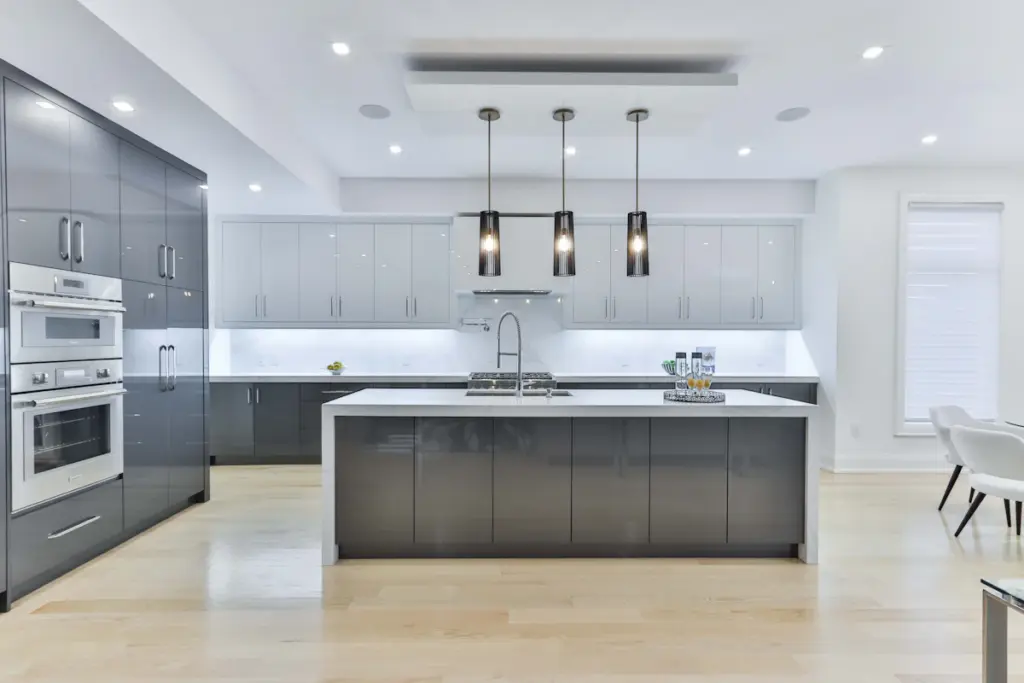
A general contractor in the United States wins bigger projects and better clients online by showing proof and filtering early. Proof means a portfolio website with real project photos, scope and price ranges; filtering means landing pages that ask about budget and timeline before a lead reaches the phone, so the team spends its time on kitchens, additions and whole-home remodels rather than on callers wanting a free estimate for a $500 job. Add local SEO across every town you serve, Google Ads on remodel and build searches, a review system and before-and-after content, and the lead quality rises with the project size.
Why contractor marketing is about quality, not volume
Most contractors do not need more leads; they need fewer bad ones. A remodeler fielding twenty calls a week for small repairs wastes the estimator’s time and still misses the two homeowners planning a $90,000 kitchen. Marketing that works for a general contractor therefore does two things other trades can skip: it shows price ranges publicly so unrealistic budgets self-select out, and it presents the kind of finished work that makes a serious homeowner feel they have found the right company before they call.
Step 1: A portfolio website that sells the next project
Organise the portfolio by project type (kitchens, bathrooms, additions, basements, whole-home, commercial build-outs) and by town. For each project show several photos, the scope in plain language, the approximate budget range and how long it took. Include a short note on the problem the homeowner wanted solved. Add a page for each service with a typical price range or a clear explanation of how you price, your process from first call to final walkthrough, and what the homeowner should prepare. Put a tap-to-call button and a project enquiry form on every page.
Step 2: Qualify leads on the landing page
The enquiry form should ask the questions your estimator would ask on the first call: project type, approximate budget range (as a dropdown), ideal start date and address. Homeowners with a serious project answer these happily; tyre-kickers drop off. Route the serious enquiries to a fast callback and send the smaller ones an automated reply with your minimum project size and a referral to a handyman service if you have one. This single change usually improves estimator productivity more than any new channel.
Step 3: Local SEO across every town you serve
Contractors typically cover a county or several towns, and homeowners search “kitchen remodel [town]” rather than the metro name. Build a page for each main town with real local detail: housing styles common there, permit considerations, projects you have completed in that town with photos. Keep your Google Business Profile complete with the category “General contractor” (plus “Kitchen remodeler” or “Bathroom remodeler” where relevant), service areas, photos and regular project posts. Consistent name, address and phone across Houzz, Angi, the Better Business Bureau and your state licensing board listing supports the Map Pack.
Step 4: Google Ads on remodel and build searches
Bid on specific project phrases (“kitchen remodel contractor”, “home addition builder”, “basement finishing [town]”) and send each ad to the matching service page with the qualifying form. Exclude “cheap”, “DIY”, “jobs” and repair phrases. Call tracking on the ads tells you which project types produce signed contracts. Google Local Services Ads are available for general contractors and remodelers in many US markets and are worth testing for the high-intent searches.
Step 5: Before-and-after content on social media
Transformation photos and short walkthrough videos on Instagram and Facebook build the audience that refers and returns. Post the before, the progress and the reveal for every significant project, with the town and the scope. Meta ads promoting a finished project to homeowners in nearby zip codes are an inexpensive way to reach people planning similar work. Houzz remains relevant for higher-end remodels in the US; keep the profile current.
Step 6: Reviews that mention the project
Reviews that describe the specific project (“our 1960s ranch kitchen, finished on schedule”) convince serious homeowners more than star counts. Ask at the final walkthrough, send the direct Google link the same day and ask the client to mention the project type. Respond to every review. Monitor Google, Houzz, Angi and the Better Business Bureau, because remodel clients check more than one.
Step 7: Showing up in AI search
Homeowners ask AI assistants “how much does a kitchen remodel cost in Denver” and “what should I ask a contractor before hiring”. The systems quote pages that give direct answers with price ranges, timelines and process steps. Put a clear first paragraph on every service page with typical costs and durations, add an FAQ in the homeowner’s words, keep your licence number and business details consistent everywhere, and publish honest guidance on budgeting and permits. Contractors who explain pricing get cited; contractors who say “call for a quote” do not. For a broader look at local channels, see our guide to local marketing strategies for small businesses in the USA.
What to expect
Google Ads and Local Services Ads can produce qualified enquiries within days. Town pages and Map Pack improvements usually take 60 to 90 days and keep compounding. Measure qualified enquiries, estimates booked and contracts signed per channel, and track average project value as the real sign that lead quality is improving.
In-house or with a specialist
Contractors often manage photos, social posts and reviews well. Portfolio websites that convert, qualifying forms wired to a fast follow-up, multi-town SEO and Google Ads on competitive remodel keywords are where help usually pays. Choose an agency that works with construction trades and reports on signed contracts.
One option is the general contractor marketing programme from QHR Solutions, which covers portfolio websites, local and multi-town SEO, Google Business Profile optimisation, Google Ads for remodeling and build searches, qualifying landing pages with budget and timeline filters, before-and-after social content and review management, with a free audit and 90-day plan within 48 hours and no lock-in. (Disclosure: QHR Solutions built and supports this publication.) Our guides on roofing company marketing and plumbing company marketing cover related trades.
A 30-day checklist
- Week 1: Add budget and timeline questions to the enquiry form; set up fast callback routing for qualified leads.
- Week 2: Publish or refresh the three most profitable service pages with price ranges, process and portfolio photos.
- Week 3: Publish pages for your three main towns; complete the Google Business Profile with categories and project photos.
- Week 4: Launch Google Ads on remodel searches with call tracking; post your last three transformations on social media and ask those clients for reviews.
What clients look for before they call
Clients hiring a general contractor, whether for a home addition, major renovation or commercial build-out, want confidence that the project will stay on budget and on schedule. Before calling, they look for project portfolios similar to their plans, licensing, insurance, bonding, references, and an explanation of how the contractor manages subcontractors, permits, inspections and change orders. They want to understand the process from design to completion, communication methods during construction and typical project timelines. Reviews mentioning clean job sites, good communication and no surprise costs strongly influence decisions.
Create pages for each project type, a detailed process page and case studies with budgets and timelines. Content such as how much does a home addition cost or how to choose a general contractor answers frequent search and AI questions.
Questions to ask before hiring a marketing partner
Ask how they will attract larger, qualified projects, track consultations, estimates and signed contracts, and support long decision cycles. Confirm ownership of accounts.
Building authority beyond your website
Partnerships with architects, designers and real estate professionals, builder association membership, awards and features in local media build credibility.
The bottom line
General contractors grow by showing relevant work, explaining their process and delivering projects that become referrals.
Quick checklist
- Publish detailed project case studies.
- Explain your process and change orders.
- Pre-qualify leads by budget.
- Build architect and designer partnerships.
- Request reviews at project completion.
Frequently asked questions
How do general contractors get better quality leads?
By publishing price ranges and asking about budget and timeline on the enquiry form, so small jobs and unrealistic budgets filter out before the estimator’s time is spent.
Should contractors show prices on their website?
Yes, as ranges or a clear pricing explanation. It qualifies leads, ranks for cost searches and is what AI assistants cite when homeowners ask about remodel costs.
Do contractors need pages for each town?
If you serve several towns, yes. Homeowners search by town, and a page with real local projects and detail ranks where the metro-level page cannot.
Are Houzz and Angi worth it for contractors?
Houzz is useful for higher-end remodels; Angi leads are shared and can be low quality. Both are supplements to your own Google presence and portfolio, not replacements.
How long does contractor SEO take?
Expect 60 to 90 days for town pages and Map Pack improvements, compounding over a year. Google Ads and Local Services Ads work within days.
Show the work, state the price, filter early
Bigger projects come from homeowners who saw proof, understood the budget and felt the process was clear before they called. Build the portfolio, qualify on the form, cover every town you serve, and the estimator’s calendar fills with the right projects.