
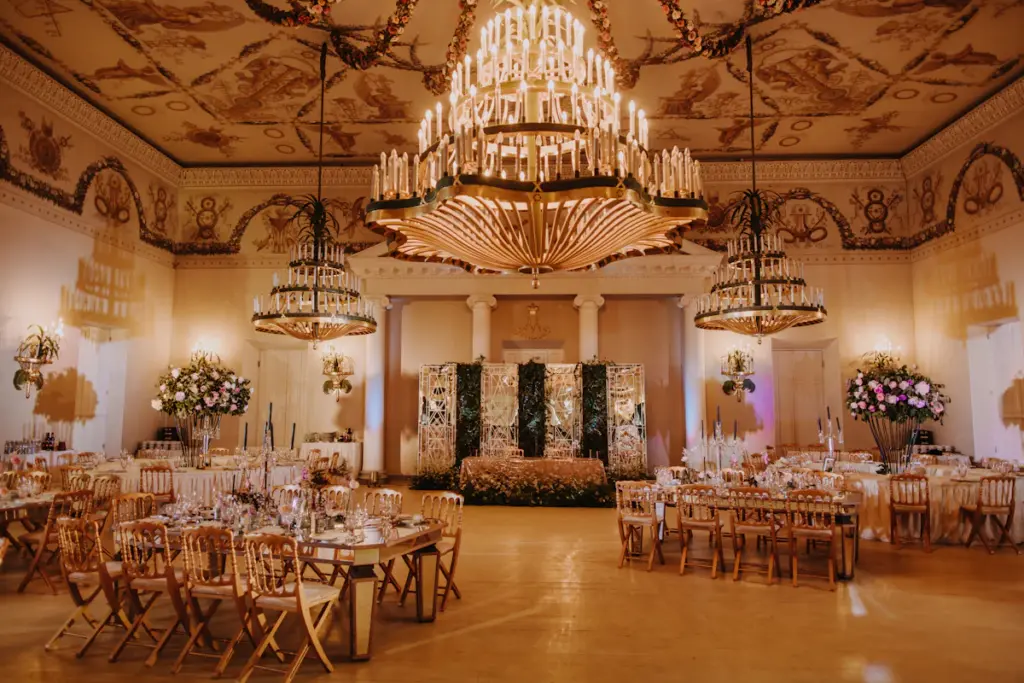
Wedding venue marketing in the USA is about turning inspiration into tours and tours into signed contracts. Couples browse beautiful photos for months, shortlist venues by style, capacity, budget and date availability, and then tour a handful. The venues filling their calendars have photo-rich websites, transparent pricing and packages, clear availability, easy tour booking, strong listings on wedding directories, active Instagram and Pinterest, a vendor network, a smart off-peak strategy, many reviews and accurate information AI tools can recommend.
Step 1: Photo-rich website
Show real weddings in every season, ceremony and reception setups, the getting-ready spaces and details. Credit photographers. Include capacity, layouts and floor plans.
Step 2: Pricing and packages
Publish starting prices or package ranges by day and season, what is included, catering options and vendor policies. Couples filter heavily by budget; transparency saves time on both sides.
Step 3: Availability and tour booking
Show available dates or let couples check a date instantly. Offer online tour booking, including virtual tours.
Step 4: Wedding directories
The Knot, WeddingWire and Zola remain major discovery platforms. Keep listings complete with photos, pricing and reviews, and respond quickly to inquiries.
Step 5: Instagram and Pinterest
Share real weddings, styled shoots, seasonal views and behind-the-scenes setup. Pinterest drives long-term inspiration traffic.
Step 6: Vendor network
Planners, photographers, florists, caterers and DJs recommend venues. Build a preferred vendor list and share content generously. See our guides to event planner marketing and photographer marketing.
Step 7: Fast, personal inquiry follow-up
Respond within hours with a personal message, pricing guide and tour invitation. Follow up after tours with a clear proposal.
Step 8: Off-peak strategy
Promote Friday, Sunday and winter dates with special pricing, and market corporate events, showers and celebrations to fill gaps. See our guide to hotel marketing for group event ideas.
Step 9: Reviews
Ask couples for reviews after the wedding on Google, The Knot and WeddingWire.
Step 10: AI search
Couples ask AI tools “barn wedding venues near [city] under $10,000” or “outdoor wedding venues for 150 guests”. Clear capacity, pricing, style descriptions and FAQ schema help your venue be recommended. For local fundamentals, see our guide to local marketing strategies in the USA.
What to expect
Directory updates and faster follow-up increase tours quickly. Instagram, Pinterest and SEO build over months. Vendor relationships and reviews compound over seasons.
Getting help
One option is the wedding venue marketing programme from QHR Solutions, which covers websites, local SEO, Google Business Profile, social media and AI search visibility, with a free audit and 90-day plan within 48 hours and no lock-in. (Disclosure: QHR Solutions built and supports this publication.)
A 30-day checklist
- Add real wedding galleries.
- Publish starting prices and packages.
- Show availability or a date checker.
- Enable online tour booking.
- Update directory listings.
- Post three times a week on Instagram.
- Create Pinterest boards.
- Build a preferred vendor list.
- Launch an off-peak offer.
- Request reviews from recent couples.
How couples actually choose a venue
Most couples begin with inspiration and a rough budget, then narrow venues by date availability, guest capacity, location and style. They usually tour a few finalists and decide within weeks. Their parents often influence the decision, especially on budget. That means your marketing has to inspire early, qualify quickly and convert tours. Venues that make it hard to find pricing or availability lose couples at the shortlist stage without ever knowing it.
Telling the full story of a wedding day
Couples want to imagine the whole day at your venue: where they get ready, where the ceremony happens, what happens if it rains, where cocktail hour takes place, how the reception flows, and how the night ends. A page or video that walks through a typical wedding day at the venue, with photos from real weddings in each space, is often more persuasive than a gallery alone. Include a rain plan and seasonal variations, since weather is a common worry.
Clear pricing structure
Venue pricing can be confusing: site fees, food and beverage minimums, service charges, taxes, rentals and required vendors. Explaining how pricing works, with sample packages or a typical total for a given guest count and day, builds trust and filters couples who are outside your range. Many venues offer lower pricing for Fridays, Sundays and off-season dates; make those options visible.
Converting tours into bookings
Tours are where couples fall in love or move on. Prepare a consistent tour experience: a welcoming greeting, a walk-through in the order of a wedding day, photos or a slideshow of real weddings in each space, clear explanation of pricing and policies, and a written proposal sent the same day. Follow up within 48 hours and again after a week. Offer a short hold on a date if your policy allows, which encourages decisions.
Off-peak and non-wedding revenue
Peak Saturdays sell themselves; the challenge is weekdays and off-season. Elopement and micro-wedding packages, rehearsal dinners, bridal showers, corporate retreats, holiday parties, photo shoots and community events can fill gaps. Market these to local businesses, event planners and through Google search.
Common mistakes to avoid
- Outdated photos. Show recent weddings in current décor.
- No pricing guidance. Couples skip venues without it.
- Slow inquiry responses. Couples often book the venue that replies first and personally.
- Unclear vendor rules. Explain required and preferred vendors upfront.
How to measure what is working
Track inquiries by source, inquiry-to-tour rate, tour-to-booking rate, average booking value, and bookings by day and season. Directory platforms, Google, Instagram and referrals often perform differently; invest in those producing booked tours, not just inquiries.
A realistic example
Picture a wedding venue on a rural property that relied on wedding marketplace listings, paying high annual fees for leads that often went nowhere. Many inquiries asked only about price and never replied. The owners rebuilt the website with transparent starting prices by season and day of the week, guest capacity, what was included, a gallery of real weddings with vendor credits, and an availability calendar with tour booking. They replied to every inquiry within an hour with a pricing guide and tour link. They partnered with photographers and planners on styled shoots, earning features on wedding blogs, and asked every couple for a review and permission to share photos. Over two seasons, direct inquiries increased, tour-to-booking conversion improved, and the venue reduced its marketplace spending.
Your first 90 days
Month one: publish starting prices and inclusions, add tour booking, and set up an instant pricing-guide email reply. Month two: build a real-wedding gallery with vendor credits, update the Google profile, and request reviews from recent couples. Month three: organise a styled shoot or open house with local vendors, create a preferred vendor list, and review inquiries, tours and bookings by source.
How much to budget
Wedding businesses should measure cost per booked wedding, since one booking is high value. Compare marketplace fees against the bookings they produce, and invest in your own website, photography and vendor relationships, which compound over time. Fast follow-up is free and often matters more than additional ad spend.
What couples look for before they inquire
Couples choosing a wedding venue usually decide early in planning, and the venue shapes the date, guest count and budget. Before inquiring, they look for starting prices by season and day, guest capacity for ceremony and reception, what is included, such as tables, chairs, linens, coordinator and setup, and whether they can bring outside caterers or must use preferred vendors. They want to see real weddings at the venue across seasons, indoor backup plans for bad weather, accommodation options for guests, accessibility, parking and curfew times. Reviews describing helpful staff and smooth event days carry significant weight.
Create pages for ceremonies, receptions, packages and real weddings, with transparent pricing and availability. Content such as how far in advance to book a wedding venue or what questions to ask a wedding venue answers common questions on search and AI platforms.
Virtual tours and detailed floor plans help couples who live out of town shortlist your venue before visiting in person.
Questions to ask before hiring a marketing partner
Ask whether they understand the wedding planning timeline and marketplace advertising, how they will track inquiries, tours and bookings, and whether they can help reduce marketplace dependence. Confirm ownership of accounts and photography rights.
Building authority beyond your website
Styled shoots with vendors, features in wedding blogs and magazines, bridal show participation and strong reviews on Google, The Knot and WeddingWire build credibility.
Timing and planning
Many couples get engaged between November and February and begin venue searches soon after. Have campaigns, pricing and tour availability ready for that window.
The bottom line
Wedding venues grow by being transparent, responding quickly and showcasing real celebrations that help couples imagine their own day at your property.
Quick checklist
- Publish starting prices and inclusions.
- Add tour booking and virtual tours.
- Reply to inquiries within an hour.
- Share real weddings with vendor credits.
- Prepare for engagement season.
- Track bookings by source.
Frequently asked questions
How do wedding venues get more bookings?
Photo-rich websites, transparent pricing, easy tours, directories, social media, vendor networks and fast follow-up.
Should wedding venues publish pricing?
Starting prices or ranges help couples shortlist and save time.
Are wedding directories still worth it?
Yes. Many couples start their search there.
How can venues fill off-peak dates?
Special pricing for Fridays, Sundays and winter, plus non-wedding events.
Does AI search matter for wedding venues?
Yes. Couples ask AI tools for venue recommendations by style and budget.
Closing
Wedding venue marketing works when couples can picture their day and see the path to booking. Show it beautifully, price it clearly and respond quickly.