
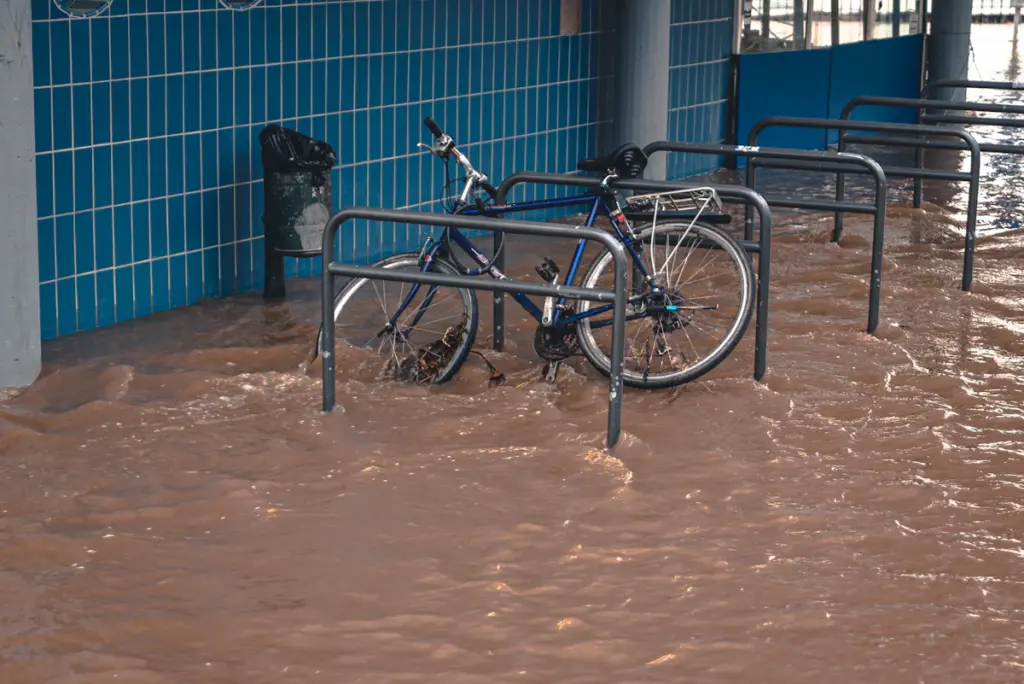
Water damage restoration marketing in the USA is emergency marketing. A burst pipe, flooded basement or overflowing water heater sends a homeowner straight to their phone, and the restoration company that answers fast and looks trustworthy usually gets the job. The restoration companies winning the most work have 24/7 emergency websites, clear service pages, visible IICRC certification, strong Google Maps rankings, Local Services Ads, Google Ads, deep referral relationships with plumbers, insurance agents and property managers, insurance claim guidance, many reviews and accurate content AI tools cite.
Step 1: A 24/7 emergency website
Put a click-to-call number and “24/7 emergency response” at the top of every page. State response times and service areas. Include a short “what to do right now” guide (shut off water, stay safe from electrical hazards, photograph damage).
Step 2: Service pages
Create pages for water damage restoration, flood cleanup, burst pipes, sewage backup, mold remediation, fire and smoke damage, storm damage, structural drying, contents restoration and commercial restoration.
Step 3: Credentials
Display IICRC certification, licensing where required, insurance and years in business. Homeowners and insurers both look for these.
Step 4: Google Maps
Use the Water Damage Restoration Service category, set service areas, keep 24/7 hours if accurate, upload photos and post updates. See our guide to local marketing strategies in the USA.
Step 5: Local Services Ads and Google Ads
Local Services Ads are available for restoration in many areas and carry the Google Guaranteed badge. Google Ads on emergency terms capture urgent searches; restoration clicks can be expensive, so track every call.
Step 6: Referral relationships
Plumbers, insurance agents, adjusters, property managers, HOAs and realtors are major referral sources. See our guides to plumbing marketing, insurance agency marketing and property management marketing.
Step 7: Insurance claim guidance
Explain how you work with insurance companies, document damage and bill directly where possible. This reduces stress for homeowners.
Step 8: Reviews
Reviews mentioning fast response, professionalism and help with insurance are powerful. Ask after job completion.
Step 9: AI search
Homeowners ask AI tools “what to do after a basement flood” or “does insurance cover water damage”. Helpful guides with FAQ schema help your company be cited.
What to expect
Local Services Ads and Google Ads produce calls quickly. Referral relationships build over months and often become the largest source of work.
Getting help
One option is the water damage restoration marketing programme from QHR Solutions, which covers websites, local SEO, Google Business Profile, ads, reviews and AI search visibility, with a free audit and 90-day plan within 48 hours and no lock-in. (Disclosure: QHR Solutions built and supports this publication.)
A 30-day checklist
- Add 24/7 click-to-call messaging on every page.
- Publish a what-to-do-now guide.
- Create pages for each restoration service.
- Display IICRC certification.
- Update Google Business Profile.
- Apply for Local Services Ads.
- Launch emergency Google Ads with call tracking.
- Visit five plumbers and insurance agents.
- Publish an insurance claim guide.
- Request reviews after every job.
The first hour decides the job
Water damage gets worse by the hour. Within a day or two, drywall, flooring and insulation can be ruined and mould can begin to grow. Homeowners know they need help fast, and they call whoever answers and can arrive soonest. A restoration company’s marketing must be backed by operations: 24/7 live answering, a clear arrival estimate, and crews ready to deploy. Advertising 24/7 response and then sending callers to voicemail is one of the fastest ways to waste money and earn bad reviews.
Educating homeowners in a crisis
When water is pouring through a ceiling, people do not know what to do first. A simple, practical guide on your site (shut off the water main, turn off electricity to affected areas if safe, move valuables, photograph damage, call your insurer and a restoration company) helps them and builds trust. Similar guides for sewage backups, flooded basements and storm damage capture searches and are often cited by AI tools.
Working with insurance
Most water damage jobs involve insurance claims. Homeowners worry about coverage, deductibles and paperwork. Explain how you document damage with moisture readings and photos, communicate with adjusters, and bill insurance directly where possible. Be honest that coverage depends on the policy and the cause of damage (sudden burst pipes are often covered; long-term leaks and some flooding may not be). Clarity reduces stress and positions you as a trusted guide.
Referral networks matter most
In many markets, the majority of restoration work comes through referrals rather than direct search. Plumbers discover leaks first, insurance agents and adjusters hear about claims, property managers handle multi-unit damage, and HOAs manage common areas. Build relationships with each group: offer fast response for their clients, keep them updated on jobs, and make referring easy. Some insurers maintain preferred vendor programmes; meeting their standards can bring steady work.
Mould and fire as companion services
Mould remediation and fire and smoke damage restoration often follow or accompany water damage. Dedicated pages, certifications and clear processes for each expand your reach. Follow state regulations for mould assessment and remediation where they exist.
Common mistakes to avoid
- Overpromising response times. Be accurate; trust is everything.
- Ignoring certifications. IICRC credentials matter to insurers and informed homeowners.
- Paying for expensive clicks without tracking. Restoration keywords are costly; measure every call.
- Neglecting referral partners. They often outperform paid ads.
How to measure what is working
Track calls by source, answer rate, response time, job value, insurance approval rate and referral partner volume. Review weekly for operations and monthly for marketing, shifting budget towards the channels and partners producing profitable jobs.
A realistic example
Imagine a water damage restoration company that depended on paid lead platforms, where the same emergency lead was sold to several competitors. Close rates were low and costs high. The owner made sure every call was answered live around the clock, then built service pages for burst pipes, flooded basements, sewage backups, and mould after water damage, each explaining the response process and working with insurance. Town pages covered the main service area, and Local Services Ads with the Google Guaranteed badge ran alongside call-only search ads. The company also built relationships with plumbers, property managers and insurance agents who are often the first call after a leak. Within a year, exclusive calls replaced most shared leads, and referral partners became a steady source of jobs.
Your first 90 days
Month one: ensure 24/7 live answering, set up Local Services Ads and update the Google profile with certifications and service areas. Month two: build service and town pages, explain the insurance process and launch call-only ads for emergency terms. Month three: meet with plumbers, property managers and insurance agents, request reviews from completed jobs and track calls and job value by source.
How much to budget
Restoration companies often invest heavily in emergency search advertising because jobs are high value. Measure cost per completed job and compare exclusive channels with shared leads. Referral partnerships with plumbers and property managers cost relatively little and frequently deliver the highest-margin work.
What property owners look for before they call
Water damage is an emergency, and property owners want help immediately. Before calling, they look for a company that answers 24/7, can arrive within an hour or two, and has IICRC-certified technicians. They want to know whether the company works directly with insurance companies, how the drying and mitigation process works, how long it will take, and whether mould remediation and rebuild services are included. Many are anxious about costs and insurance claims, so clear explanations reduce stress.
Commercial clients such as property managers, hotels, schools and offices look for capacity, response guarantees and documentation that satisfies insurers. Create pages for water extraction, structural drying, mould remediation, sewage cleanup and reconstruction. Content such as what to do after a pipe bursts or does homeowners insurance cover water damage answers common questions on search and AI platforms.
Photos of equipment, trucks and certified technicians, along with step-by-step process descriptions, show that your team can handle the job professionally.
Questions to ask before hiring a marketing partner
Ask whether they understand emergency service marketing, call tracking and insurance-driven sales cycles, and how they will measure completed jobs and revenue. Confirm ownership of accounts.
Building authority beyond your website
Relationships with plumbers, insurance agents and property managers, IICRC certification, and consistent listings across Google, Yelp and the BBB build credibility.
Timing and planning
Winter freezes, storm seasons and heavy rains bring surges. Prepare staffing, equipment and ad budgets ahead of these periods.
The bottom line
Restoration companies win by answering fast, explaining insurance clearly and building referral networks with the professionals who arrive first.
Quick checklist
- Answer calls live 24/7.
- Display IICRC certifications.
- Explain the insurance process.
- Build plumber and agent referrals.
- Track completed jobs by source.
Restoration companies that execute these basics reliably earn exclusive calls instead of paying for shared leads.
Frequently asked questions
How do restoration companies get more jobs?
24/7 visibility, Google Maps, Local Services Ads, Google Ads and referrals from plumbers and insurers.
Why does IICRC certification matter?
It signals training and standards to homeowners and insurers.
Are restoration Google Ads expensive?
Often, yes. Track every call and focus on high-intent terms.
Who refers restoration work?
Plumbers, insurance agents, adjusters, property managers and HOAs.
Does AI search matter for restoration?
Yes. Homeowners ask AI tools what to do after water damage.
Closing
Restoration marketing is about being the calm, certified help that arrives fast. Be visible, credible and well connected to the people who refer emergencies.