
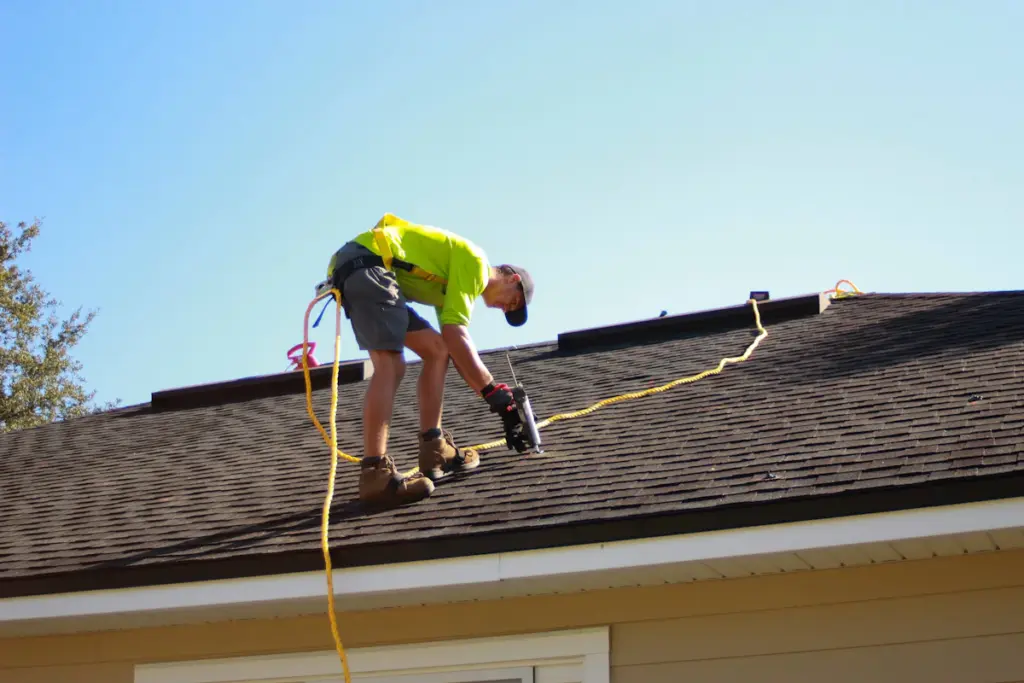
A roofing company in the United States wins more replacement jobs online by proving it is local, established and easy to deal with before the homeowner ever calls. That means a website with real project photos, clear financing and insurance-claim information and an instant estimate form; a Google Business Profile with a steady flow of reviews; Google Ads on replacement and repair searches; and a storm response plan that can be switched on within hours of hail or wind damage. The goal is to be the company the homeowner trusts when three out-of-town storm chasers are knocking on the door.
Why roofing is a trust business first
A roof replacement is one of the largest purchases most homeowners make, it is usually unplanned, and the industry has a reputation problem because of storm chasers who appear after a hailstorm, take deposits and vanish. Every piece of your marketing should answer the unspoken question: are you a real local company that will still be here when the warranty matters? Photos of your crew, your yard and your trucks, a local address, your licence and insurance details, years in business and a long list of recent reviews do more than any slogan.
Step 1: A website built to turn visitors into estimate requests
Replacement shoppers compare two to four companies. Your site needs a project gallery organised by roof type and town, a page explaining financing options in plain language, a page on how insurance claims work and how you help with adjusters, and an instant estimate form that asks for the address and a photo. Put a tap-to-call button and the estimate form on every page. Build a separate page for each service: asphalt shingle replacement, metal roofing, roof repair, storm damage repair, gutters, and commercial roofing if you do it. Add pages for the main cities and counties you serve with genuinely local content, such as the common roof types and typical hail history in that area.
Step 2: Google Business Profile and the Map Pack
Set the primary category to “Roofing contractor”. Add photos weekly during the season: completed roofs, crews at work, before-and-after shots. Keep the service area accurate and the phone answered. Post updates about storm response and financing offers. In most markets, the three companies in the Map Pack take the majority of “roofer near me” calls, and the Map Pack is decided largely by review count, recency and proximity.
Step 3: Google Ads on replacement and repair searches
Replacement keywords are expensive in competitive states such as Texas, Florida and Colorado, so the campaign has to be tight. Bid on exact phrases (“roof replacement cost”, “roof replacement near me”, “hail damage roof repair”), send each ad to the matching page rather than the homepage, and use call tracking so you know which keywords produce booked estimates. Google Local Services Ads are also available for roofers in most US markets and are worth running for repair and emergency searches.
Step 4: Build a storm response plan before the storm
After hail or high wind, search demand in the affected zip codes jumps within hours and stays high for weeks. Prepare in advance: a storm damage page that can be updated with the date and affected neighbourhoods, a Google Ads campaign saved and ready to activate, a Google Business Profile post template, and a text message to past customers in the area offering a free inspection. The companies that respond on day one capture the jobs; the ones that start building a campaign on day three compete with every storm chaser in the state.
Step 5: Insurance claim and financing pages
Two questions block most replacement decisions: “will insurance cover it?” and “how will I pay for the rest?”. Answer both with dedicated pages. The insurance page should explain the claim process step by step, what an adjuster looks for, and how you document damage. The financing page should list the options you offer, typical terms and how to apply. These pages rank for high-intent searches and are exactly the kind of direct, factual content that AI search tools quote.
Step 6: Reviews and reputation
Ask for a Google review at the final walkthrough, when the homeowner is looking at the finished roof, and follow up with a text containing the direct link the same day. Respond to every review. Monitor your brand name on Google, the Better Business Bureau and Nextdoor, because roofing customers check all three. A steady stream of recent, detailed reviews is the single strongest defence against storm chasers.
Step 7: Visibility in AI search
Homeowners now ask AI assistants “how much does a new roof cost in Dallas” or “how do I know if hail damaged my roof”. To be cited, publish clear answers: a first paragraph on each page that states the service, a typical price range for your area and your timeline; FAQ sections written in the customer’s words; consistent business details everywhere; and real pricing guidance rather than “call for a quote”. For the broader approach, see our guide to local marketing strategies for small businesses in the USA.
What to expect
Google Ads and Local Services Ads can produce estimate requests within days. Map Pack and organic growth take 60 to 90 days to show and keep building over a year. Storm campaigns are measured in hours. Whatever you spend, measure booked estimates and signed contracts, not clicks.
In-house or with a specialist
Many roofing owners handle photos, reviews and profile posts themselves. The parts that benefit from experience are the storm response setup, Google Ads on expensive replacement keywords and a website that actually converts comparison shoppers. If you hire help, choose an agency that understands storm seasons and reports on booked estimates.
One option is the roofing marketing programme from QHR Solutions, which builds roofing websites with project galleries, financing and instant estimate forms, runs local SEO and Google Ads on replacement searches, prepares storm response campaigns and insurance-claim landing pages, and manages reviews and call tracking, with a free audit within 48 hours and no lock-in. (Disclosure: QHR Solutions built and supports this publication.) Our guides on HVAC marketing and plumbing company marketing cover the same Google channels for other home-service trades.
Pre-season checklist
- Build or refresh the storm damage page, saved Google Ads campaign and customer text template.
- Publish or update the financing and insurance claim pages.
- Add the latest project photos to the website gallery and Google Business Profile.
- Confirm Local Services Ads are approved and the phone is answered on weekends.
- Set up call tracking on every page and campaign.
What homeowners look for before they call
Roof replacement is a large, infrequent purchase, so homeowners research carefully and are wary of storm chasers. Before calling, they look for a local company with a physical address, licensing and insurance, manufacturer certifications, warranties on materials and workmanship, and reviews from neighbours. They want to understand roofing materials, such as asphalt shingles, metal, tile or flat roofing systems, approximate cost ranges, how long installation takes and how the crew protects landscaping. Homeowners with storm damage want help understanding the insurance claim process.
Create pages for replacement, repair, storm damage, insurance claims and each roofing material. Content such as how long does a roof last or signs you need a new roof answers frequent search and AI questions.
Questions to ask before hiring a marketing partner
Ask whether they understand roofing sales cycles and storm-driven demand, how they will track inspections, signed contracts and revenue, and whether they integrate with roofing CRMs. Confirm ownership of accounts.
Building authority beyond your website
Manufacturer certifications such as GAF or Owens Corning, BBB accreditation, yard signs, community sponsorships and consistent listings across Google and Angi build trust.
The bottom line
Roofers win by proving they are local, certified and honest, and by making the inspection and insurance process simple for homeowners.
Quick checklist
- Display certifications and warranties.
- Explain the insurance claim process.
- Show local project photos.
- Use yard signs on every job.
- Track inspections to signed contracts.
Frequently asked questions
How do roofing companies get leads online?
Mostly through the Google Map Pack, Google Ads on replacement and repair searches, Local Services Ads, and storm response campaigns, supported by a website with galleries, financing and insurance information.
How do I compete with storm chasers after a hailstorm?
Respond on day one with a prepared campaign, show that you are local and established (address, licence, reviews, photos), and explain the insurance process clearly so homeowners are not rushed into signing with the first door-knocker.
Are shared lead platforms worth it for roofers?
They can fill gaps, but leads are sold to several companies and margins suffer. Building your own Google presence produces exclusive leads at a lower long-term cost.
How long does roofing SEO take?
Paid channels work within days; Map Pack and organic improvements usually take 60 to 90 days and keep compounding.
Do roofers need a financing page?
Yes. Financing is one of the two questions that decide most replacement sales, and a clear page ranks for high-intent searches and gets cited by AI tools.
Be the company homeowners can verify
Roofing marketing works when every channel reinforces the same message: local, established, transparent about cost and insurance, and ready the morning after the storm. Build that foundation before the season, and the replacement jobs follow.