
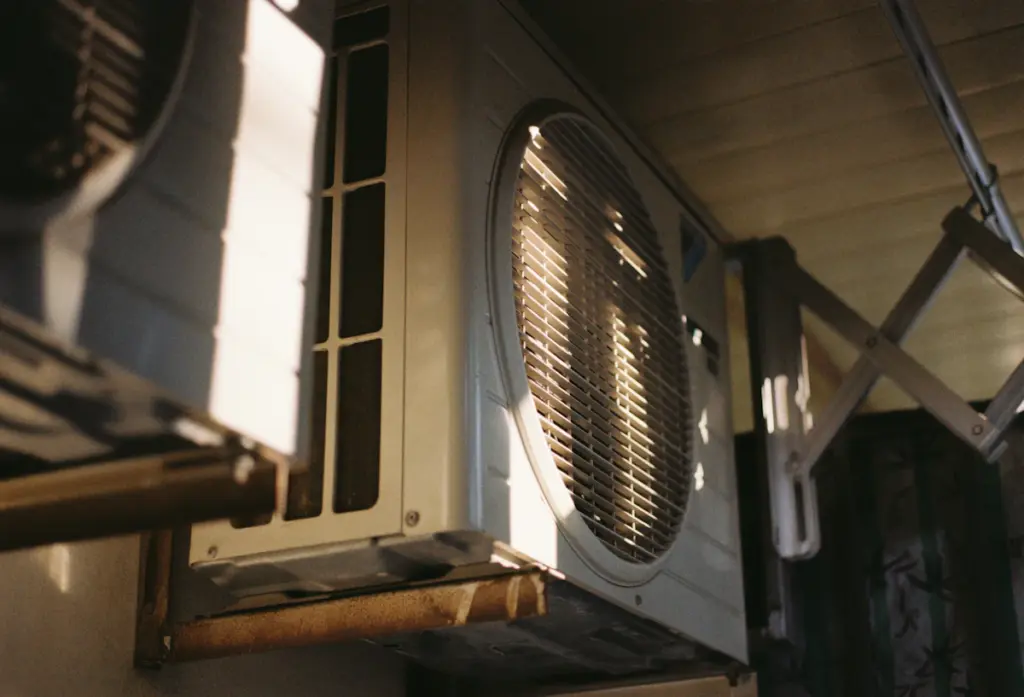
An HVAC company in the United States keeps its phone ringing all year by separating its marketing into three streams: emergency repair (won through Google Local Services Ads and the Map Pack), replacement and installation (won through service pages, financing information and Google Ads on high-value searches), and maintenance plans (won through landing pages and follow-up with past customers). Most heating and cooling businesses are busy in the first heatwave and the first freeze and quiet in between; the companies that grow are the ones that use the quiet months to sell maintenance agreements and prepare the next seasonal push.
Why HVAC marketing has two seasons and a gap
Demand for air conditioning repair spikes in the first week of serious heat, and furnace calls spike with the first hard freeze. In between, in spring and autumn, calls fall off. A marketing plan that only chases emergency calls rides that rollercoaster. A better plan treats the shoulder seasons as the time to book tune-ups, sell maintenance plans and run replacement campaigns for the systems that limped through the last season.
The customer behaviour is also different across those three needs. An emergency caller picks the first credible company that answers. A replacement buyer compares two or three quotes over a week or two and cares about financing, brands and warranties. A maintenance customer wants convenience and a predictable price. Each needs its own page, its own message and its own channel.
Step 1: Build the Google Business Profile for repair calls
Set the primary category to “HVAC contractor” and add secondary categories such as air conditioning repair service, furnace repair service and heating contractor. Fill in the service area precisely, list every service with a short description, and keep hours accurate, especially if you offer after-hours emergency service. Upload photos of technicians, trucks and installed equipment rather than stock imagery. Answer the common questions in the Q&A section: do you charge a diagnostic fee, do you offer financing, which brands do you install.
Step 2: Use Local Services Ads for heating and cooling emergencies
Google Local Services Ads sit above everything else for searches like “AC repair near me” and “furnace not working”. You pay per lead, not per click, and the Google Guaranteed badge matters to a homeowner sweating in July. Approval needs licence, insurance and background checks, so apply before the season, not during it. Your position depends on review volume, rating and how quickly you answer; a missed LSA call costs more than the lead fee because it also lowers your ranking.
Step 3: Give repair, installation and maintenance their own pages
One “services” page is not enough. Build separate pages for AC repair, AC installation and replacement, furnace repair, furnace installation, heat pumps, ductless mini-splits, indoor air quality and maintenance plans. Replacement pages should carry the information a comparison shopper wants: typical price ranges or how you quote, financing options, the brands you carry, warranty terms and real photos of installs. Add a tap-to-call button and a short booking form on every page and make sure the site loads quickly on a phone. Call tracking numbers on each page tell you which service and which campaign is producing calls.
Step 4: Sell maintenance plans to smooth the slow months
A maintenance agreement (two tune-ups a year, priority service, a discount on repairs) is the most reliable way to fill spring and autumn. Build a dedicated landing page that explains the plan in plain terms with the price visible. Then market it where it works best: a text or email to every past customer in March and September, a mention from the technician at the end of every service call, and a line on every invoice. Maintenance customers also become your replacement customers, because your technician is the one who tells them the system is near the end of its life.
Step 5: Run two seasonal campaigns a year, early
Plan a cooling campaign that starts two to three weeks before the first typical heatwave in your region and a heating campaign that starts before the first freeze. Each campaign is a Google Business Profile post, a Google Ads budget on the exact emergency and replacement phrases, a refreshed page on the site, and a message to past customers offering a pre-season tune-up. Starting before demand peaks is cheaper and more effective than starting in the middle of it, when every competitor is bidding on the same words.
Step 6: Make reviews automatic
In most US metro areas the Map Pack for HVAC is decided by review count and recency. Send a review request by text within an hour of every completed visit, with a direct link to the Google review form, and ask the technician to mention it before leaving. Respond to every review. Never incentivise reviews; that breaches Google’s policies and can get the profile suspended.
Step 7: Show up when AI answers the question
Questions like “how much does a new AC cost in Phoenix” or “who is the best HVAC company near me” are increasingly answered by Google’s AI Overviews and assistants such as ChatGPT. Those systems pull from pages that answer directly and consistently. Put a clear first paragraph on every service page stating what the service is, the typical price range in your area and your response time. Add a short FAQ to each page. Keep your name, address, phone, hours and licence number identical across your site, Google profile and the major directories. Companies that publish honest pricing guidance are quoted; companies that hide it are not.
What to expect and what it costs
LSAs and Google Ads can produce calls within days of going live. Map Pack and organic improvements usually take 60 to 90 days to become clear and keep compounding for a year or more. Budgets vary enormously between a two-truck company in a small city and a multi-location business in Houston or Phoenix, where replacement keywords are expensive. Whatever the size, insist on reporting that counts calls and booked jobs rather than impressions and rankings. For general guidance on local channels, see our guide to local marketing strategies for small businesses in the USA.
In-house or with a specialist
Owners can run the profile, reviews and customer messaging themselves. The pieces that usually need experience are LSA management during peak season, building pages that convert replacement shoppers, and setting up call tracking properly. If you bring in an agency, choose one that works with home-service trades and reports on calls.
One option is the HVAC marketing programme from QHR Solutions, which builds separate repair, installation and maintenance pages, runs Local Services Ads and Map Pack SEO, sets up maintenance-plan landing pages and automatic review requests, and reports on calls and booked jobs, with a free audit and 90-day plan delivered within 48 hours and no lock-in. (Disclosure: QHR Solutions built and supports this publication.) Our companion guide on marketing for plumbing companies covers the same Local Services Ads and review systems from a plumber’s angle.
A pre-season checklist
- Six weeks out: confirm Local Services Ads are approved and funded; update the Google Business Profile hours and services.
- Four weeks out: refresh the seasonal service pages; set up call tracking; prepare the pre-season tune-up message for past customers.
- Two weeks out: launch the Google Ads campaign on emergency and replacement phrases; post the seasonal update on your profile.
- During the season: answer every call; send a review request after every job; track which pages and campaigns produce booked jobs.
Quick checklist
- Answer every call live.
- Sell maintenance plans before peak seasons.
- Request reviews after every job.
- Track booked jobs by source.
HVAC companies that get these basics right before each season keep technicians busy and margins healthy all year.
Comfort sells, but reliability is what earns lifelong customers.
Frequently asked questions
What is the best way for an HVAC company to get more calls?
Google Local Services Ads for emergency searches, a complete Google Business Profile for Map Pack visibility, and a fast website with separate pages for repair, installation and maintenance.
How do HVAC companies stay busy in spring and autumn?
By selling maintenance plans and pre-season tune-ups to past customers, and by running replacement campaigns aimed at systems that struggled through the last season.
Are Local Services Ads worth it for HVAC?
For most companies, yes. They capture the highest-intent emergency searches, you pay per lead rather than per click, and you can dispute leads that were not genuine.
How long does HVAC SEO take to work?
Paid channels work within days. Map Pack and organic rankings usually take 60 to 90 days to improve noticeably and keep compounding over a year.
Should an HVAC company advertise on Facebook?
Meta ads work for maintenance plans, financing offers and brand awareness, but emergency repair calls come overwhelmingly from Google. Fix the Google channels first.
Keep the three streams separate
Treat repair, replacement and maintenance as three businesses with three customers. Build the Google profile and Local Services Ads for the emergency caller, pages with financing and real pricing for the replacement shopper, and a plain maintenance offer for the customer who wants no surprises. Start each seasonal campaign before the weather does, and the phone will ring in the quiet months as well as the busy ones.