
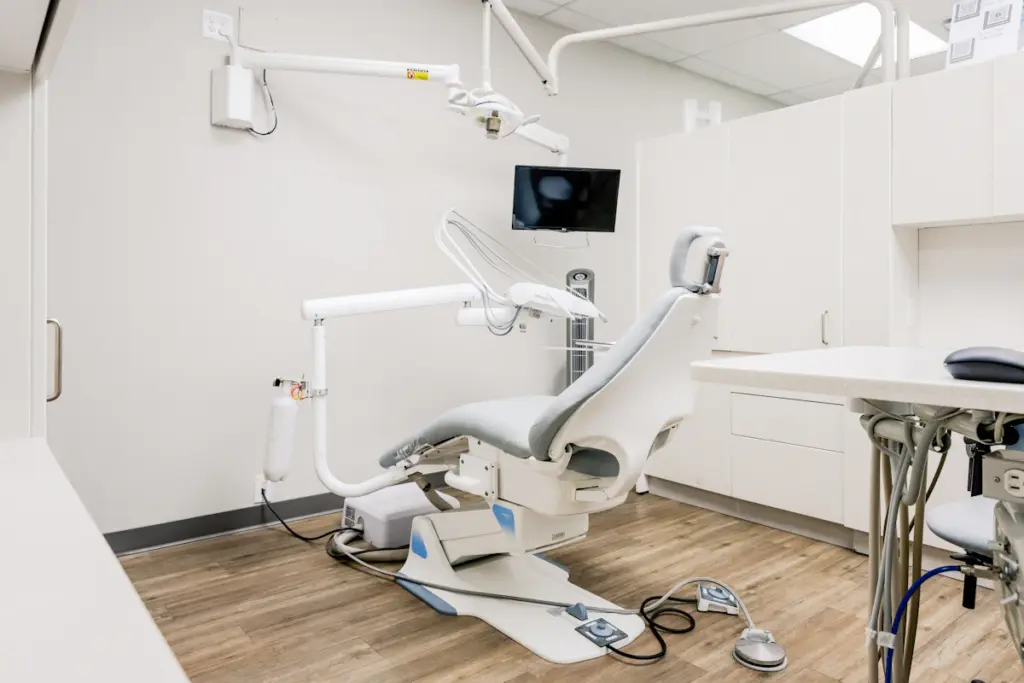
A dental practice in the United States fills its chairs with new patients by making it effortless to find, trust and book the practice from a phone. That means a Google Business Profile that ranks for “dentist near me”, a website with online booking on every page, a dedicated page for each high-value treatment such as implants, Invisalign and cosmetic dentistry, Google Ads aimed at new-patient searches, a steady flow of recent reviews, and social content that shows real results. New patients for cleanings keep the schedule full; implant and aligner cases pay for the growth.
Two kinds of new patient
Most practices need two things at once: a steady stream of general patients for hygiene and routine care, and a smaller number of high-value cases. The general patient searches “dentist near me” or “dentist that takes [insurance]” and chooses from the Map Pack. The implant or Invisalign patient researches for weeks, compares providers and prices, and wants to see results and understand financing. These two patients need different pages, different ads and different follow-up, and a marketing plan that treats them as one audience underperforms for both.
Step 1: Win “dentist near me” in the Map Pack
Your Google Business Profile does most of the work for general patients. Set the primary category to “Dentist” and add relevant secondary categories (cosmetic dentist, dental implants provider, emergency dental service). List the insurances you accept in the description and the Q&A, because that is the first question most patients have. Add photos of the team, the reception and the treatment rooms. Keep hours accurate and post updates regularly. If the practice has more than one location, each needs its own verified profile.
Step 2: Online booking on every page
A patient who has to call during office hours to book often does not. Put a “Book online” button in the header of every page and connect it to real-time scheduling. Keep the new-patient form short. Make the phone number tappable for those who prefer to call, and make sure the front desk answers quickly and knows how to convert a price enquiry into a booked consultation. Call tracking and booking analytics show which pages and campaigns produce appointments.
Step 3: A page for each treatment that matters
Build separate pages for implants, Invisalign and clear aligners, veneers and cosmetic dentistry, teeth whitening, emergency dentistry, children’s dentistry and any other service that drives revenue. Each page should explain the treatment in plain language, give an honest price range or explain how pricing works, describe financing options, show before-and-after photos with patient consent, and answer the common questions. These pages rank for the high-value searches and are what AI search tools quote when someone asks “how much do dental implants cost in Atlanta”.
Step 4: Google Ads for new patients and high-value cases
Run two campaigns. The first targets general new-patient searches (“dentist near me”, “dentist accepting new patients”, insurance-specific searches) and sends clicks to a new-patient page with booking. The second targets treatment searches (“dental implants cost”, “Invisalign near me”) and sends clicks to the matching treatment page with a consultation offer. Keep the campaigns separate so you can see which produces appointments and at what cost.
Step 5: Reviews, and HIPAA-safe responses
Patients choose dentists by reviews more than almost any other local business. Ask at checkout after a good visit, send a text with the direct Google review link the same day, and make it part of the front desk routine. Respond to every review, but never confirm that the reviewer is a patient or mention any treatment detail; HIPAA applies to review responses. Never incentivise reviews.
Step 6: Social proof that respects consent
Smile transformations and short videos of the team perform well on Instagram and Facebook and support the implant and aligner pages. Get written consent for every before-and-after image and keep the posts educational rather than promotional. Meta ads can work for whitening offers, aligner consultations and new-patient specials, but Google remains the primary channel for people actively looking for a dentist.
Step 7: Being the answer in AI search
When a patient asks an AI assistant which dentist to see or what a treatment costs, the systems rely on pages that answer directly and consistently. Start each treatment page with a clear summary, add FAQs in the patient’s words, keep the practice’s name, address, phone and hours identical everywhere, and publish honest pricing guidance. Detailed dentist bios with credentials and years of practice also help. For the wider local approach, see our guide to local marketing strategies for small businesses in the USA.
What to expect
Google Ads can produce appointment requests within days. Map Pack and organic growth usually take 60 to 90 days and keep compounding. Measure new patients and booked treatment consultations per channel, not clicks or rankings.
In-house or with a specialist
Practices often manage reviews, social posts and the profile themselves. Treatment pages that convert, Google Ads on competitive treatment keywords and booking integration tend to benefit from experience. Choose an agency that works with healthcare practices, understands HIPAA and reports on booked patients.
One option is the dental marketing programme from QHR Solutions, which covers dental websites with online booking, local SEO for “dentist near me” searches, treatment landing pages for implants, Invisalign and cosmetic work, Google Ads, review growth and social media, with a free audit and 90-day plan within 48 hours and no lock-in. (Disclosure: QHR Solutions built and supports this publication.)
A 30-day checklist
- Week 1: Complete the Google Business Profile with categories, insurances and photos; add online booking to every page.
- Week 2: Publish or rewrite the implant and Invisalign pages with pricing guidance, financing and FAQs.
- Week 3: Launch the review request routine at checkout; train the front desk on responding and on converting price calls.
- Week 4: Launch separate Google Ads campaigns for new patients and treatments, with call and booking tracking.
What patients look for before they book
Dental patients choose a practice based on convenience, trust and cost clarity. Before booking, they check whether the practice accepts their insurance or offers an in-house membership plan, whether appointments are available soon, including evenings or Saturdays, and how close the office is. Patients with anxiety look for reassurance about gentle care and sedation options. Those considering larger treatment, such as implants, Invisalign, veneers or full-mouth reconstruction, want to see before-and-after photos, financing options and the dentist’s training. Reviews mentioning friendly staff, short wait times and painless treatment are highly influential.
Build pages for each service with pricing ranges or financing information, list accepted insurance plans, and add online booking. Create a new patient page explaining the first visit. Content that answers questions like how much do dental implants cost or what to do in a dental emergency is commonly surfaced in search and AI answers.
Questions to ask before hiring a marketing partner
Ask whether they have worked with dental practices and understand HIPAA-compliant tracking and review requests. Ask how they will track new patients and treatment value by channel, whether they integrate with practice management software, and how they will promote high-value services. Confirm you own the website and accounts.
Building authority beyond your website
Sponsoring school events, offering free screenings, joining the local dental society and keeping listings accurate on Google, Healthgrades, Zocdoc and Yelp help build trust and improve visibility in search and AI tools.
Timing and planning
Many patients rush to use dental benefits before they reset at year end, and back-to-school season brings children’s checkups. Send reminders and promote availability ahead of these periods.
The bottom line
Dental practices grow by making booking easy, explaining costs clearly and creating comfortable experiences that patients recommend.
Quick checklist
- List accepted insurance plans.
- Offer online booking.
- Promote a membership plan.
- Explain financing for larger treatment.
- Request reviews after visits.
- Send benefit reminders before year end.
A dental practice that is easy to book, clear about costs and kind to anxious patients rarely struggles for new patients, because satisfied families refer friends and leave reviews that do the marketing for you.
Track new patients by source every month to guide spending.
Frequently asked questions
What is the best way for a dentist to get new patients?
A complete Google Business Profile that ranks in the Map Pack, online booking on every page, and a steady flow of recent reviews. Google Ads add volume quickly.
How do dental practices market implants and Invisalign?
With dedicated treatment pages that include pricing guidance, financing and consented before-and-after photos, supported by Google Ads on treatment searches and consultation offers.
Can a dental office respond to Google reviews?
Yes, but responses must not confirm the reviewer is a patient or mention treatment details, because HIPAA applies.
How long does dental SEO take?
Expect 60 to 90 days for visible Map Pack and organic improvement, with results compounding over a year. Paid search works within days.
Should dentists run Facebook or Instagram ads?
They work for specific offers and consultations and for building trust with transformation content, but most patients actively looking for a dentist search Google first.
Make booking the easy choice
Dental marketing succeeds when the patient can find you, trust you and book you in a minute on their phone. Build the profile, the booking and the treatment pages, keep the reviews coming, and the chairs stay full.