
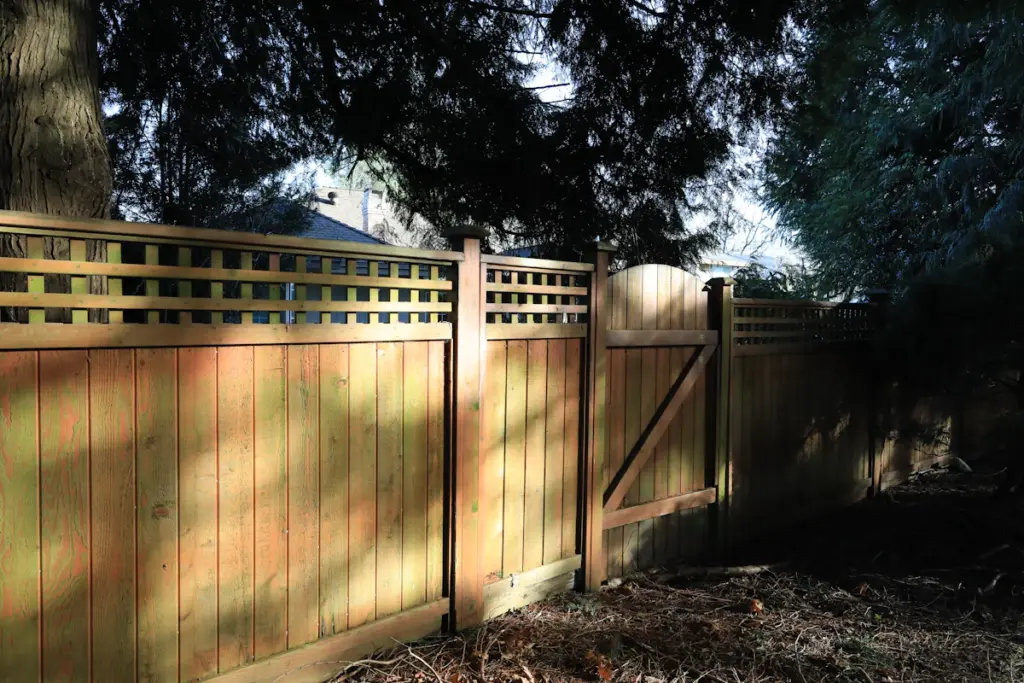
Fence company marketing in the USA works when homeowners can see your work, understand materials and prices, and request an estimate quickly. The fence companies booking the most installs have pages for each fence material and style, a gallery of finished projects, strong Google Maps rankings, seasonal Google Ads, an instant estimate or price range tool, financing options, steady reviews, content on permits and HOA rules, and visibility in AI tools homeowners use to compare options.
Step 1: Material and style pages
Create pages for wood (cedar, pine, privacy, picket), vinyl, aluminum and ornamental, chain link, composite, farm and ranch, pool fencing and gates. Explain pros, cons, lifespan, maintenance and price ranges per linear foot.
Step 2: Project gallery
Organise photos by material and style, with the town and project size. Homeowners want to see fences like the one they imagine.
Step 3: Google Maps
Use the Fence Contractor category, list services and materials, upload photos weekly and post updates. See our guide to local marketing strategies in the USA.
Step 4: Seasonal Google Ads
Spring and early summer are peak. Run ads on “fence installation [town]”, “vinyl fence cost” and “privacy fence contractor”, and send traffic to matching material pages.
Step 5: Instant estimates and financing
A simple estimator (linear feet × material) or price range table reduces friction. Financing options help homeowners choose better materials.
Step 6: Permits and HOA content
Homeowners worry about property lines, permits and HOA rules. Pages explaining the process in your area build trust and rank for helpful searches.
Step 7: Reviews and yard signs
Ask every customer for a review with photos. Yard signs on completed jobs generate neighbourhood leads.
Step 8: AI search
Homeowners ask AI tools “vinyl vs wood fence” or “how much does a privacy fence cost in [state]”. Clear comparisons and pricing FAQs help you get cited.
Getting help
One option is the fence company marketing programme from QHR Solutions, which covers websites, local SEO, Google Business Profile, ads, reviews and AI search visibility, with a free audit and 90-day plan within 48 hours and no lock-in. (Disclosure: QHR Solutions built and supports this publication.) Also see our guide to landscaping marketing.
A 30-day checklist
- Create material pages with price ranges.
- Organise a gallery by material.
- Complete Google Business Profile.
- Prepare spring Google Ads.
- Add an estimate tool or price table.
- Promote financing.
- Publish permits and HOA guides.
- Request reviews with photos.
- Order yard signs.
- Add FAQ schema.
Residential versus commercial fencing
Homeowners buy fences for privacy, pets, children, pools and curb appeal; they respond to galleries, material comparisons, price ranges and reviews. Commercial and agricultural clients (warehouses, schools, municipalities, farms, HOAs) buy security, perimeter control and durability; they respond to capability statements, references, insurance and responsive bids. Separate pages and outreach for each audience improve results.
Common mistakes fence companies make
- Not explaining lead times. In peak season, installation backlogs can stretch for weeks. Clear expectations prevent frustration and cancellations.
- No guidance on property lines. Homeowners worry about surveys and neighbour disputes. A simple guide builds trust and reduces delays.
- Ignoring pool fence codes. Pool fencing must meet safety codes. Pages explaining compliant options attract motivated buyers.
- Weak follow-up on estimates. Many homeowners collect multiple quotes; a follow-up call or email a few days later often wins the job.
How to measure what is working
Track estimate requests by source, estimate-to-contract rate, average job value by material, and lead time. Monitor how many jobs come from yard signs and neighbours. Review at the end of each season and adjust advertising and material focus based on profitability, not just volume.
A real-world example
Imagine a fence company in a growing suburban area that relied on word of mouth and a basic website. Leads were inconsistent, and most came in late spring when crews were already booked. Over one winter, the owner built material pages with price ranges per linear foot, added a simple online estimate form with photo upload, published a guide to HOA approval and property surveys, and started posting finished projects weekly on the Google Business Profile. In February, they launched a small Google Ads campaign for privacy fence and vinyl fence searches with an early-booking discount. By April, much of the spring schedule was filled, and yard signs on new installs generated neighbour inquiries. The lesson: preparation in the off-season shapes the whole year.
A 90-day action plan
Days 1–30: Audit the website and Google profile. Create or improve pages for each material, add price ranges and a quote form, gather 20 project photos and ask ten past customers for reviews. Days 31–60: Publish permit and HOA guides, set up call tracking, launch a modest Google Ads campaign on high-intent terms, and create yard signs and neighbour cards. Days 61–90: Reach out to builders, property managers and HOAs, review ad performance and cut weak keywords, add new reviews and photos weekly, and plan an early-booking promotion for the next peak season.
How much to budget
Fence companies should measure marketing by cost per installed project and pay close attention to project value, which varies widely between a small vinyl section and a full perimeter of ornamental aluminium. Spring and early summer bring the most search demand, so concentrate paid search and Local Services Ads in those months and use the slower season to build gallery content, collect reviews and develop builder and HOA relationships. Yard signs during installation and neighbour mailers are inexpensive and often generate jobs on the same street.
Questions to ask before hiring a marketing partner
Ask whether they have worked with home service contractors and can show results measured in booked jobs rather than clicks. Ask how they will track calls and form submissions back to each channel, who owns the ad accounts and website, and how quickly they will report on cost per estimate and cost per sale. Ask how they plan to handle seasonality, and what they recommend doing in the off-season. A good partner should be comfortable being measured on revenue, not just traffic.
What customers look for before they call
Homeowners comparing fence companies usually look at three or four websites and Google profiles before requesting quotes. They want to see the exact fence styles and materials they are considering, installed in homes similar to theirs: cedar privacy, vinyl, ornamental aluminium, chain link, or pool fencing. They want rough price ranges per linear foot so they know whether the project fits their budget, information about timelines in busy season, and clarity on who handles permits, property line questions, utility locates and HOA approvals. Warranty terms on materials and workmanship are another deciding factor, along with proof of licensing and insurance.
Give each material its own page with photos, price ranges, pros and cons, and maintenance expectations. A guide to fence height rules and permit requirements in the main cities you serve answers questions that homeowners frequently ask search engines and AI assistants, and positions you as the knowledgeable local option.
Answering common objections
The most common objections are price, timeline and concern about disruption. Address price by explaining what drives cost, such as material, height, gates and terrain, and by offering good, better and best options. Address timeline by publishing current lead times honestly and offering a deposit to secure a spot in the schedule. Address disruption by explaining how crews protect lawns and landscaping, how long a typical installation takes, and how cleanup works. Financing options can also help homeowners move forward with larger projects.
Building authority beyond your website
Fence companies earn local authority through visible work and trusted relationships. Branded yard signs on every installation, clean and well-wrapped trucks, and crews in uniform create recognition in each neighbourhood. Joining the local home builders association or chamber of commerce opens doors to builders and property managers. Listing your business accurately on Google, Bing, Apple Maps, Yelp, Angi, Houzz, Nextdoor and the Better Business Bureau helps customers find consistent information. Sponsoring a youth sports team or community event adds goodwill and local mentions. Each consistent mention of your name, address, phone number and services across reputable sites strengthens your local search rankings and helps AI assistants recommend you when homeowners ask who installs fences in their town.
The bottom line
Fence companies grow by showing real installations, pricing transparently and earning referrals neighbourhood by neighbourhood.
Quick checklist
- Create a page for each material.
- Publish price ranges per linear foot.
- Explain permits and HOA approvals.
- Place yard signs on every job.
- Request reviews after installation.
- Track estimates to sales.
Fences are seen by every neighbour and passer-by, which makes each installation a marketing opportunity. Clean work, a visible sign and a quick review request turn single jobs into clusters of projects on the same street. Add clear pricing and helpful permit guidance, and your company becomes the obvious local choice.
Frequently asked questions
How do fence companies get more leads?
With material pages, galleries, Google Maps visibility, seasonal ads, reviews and yard signs.
Should fence companies publish prices?
Price ranges per foot help homeowners plan and qualify leads.
When is fence season?
Typically spring through early fall, varying by region.
Do yard signs still work?
Yes. Neighbours often call after seeing a new fence.
Does AI search matter for fence companies?
Yes. Material comparisons and cost questions are common.
Closing
Fence marketing is about showing options and making the estimate easy. Explain materials, show finished work and be visible when homeowners start planning.