
Flooring company marketing in the USA succeeds when homeowners can explore options, see finished rooms and book an estimate without friction. The flooring retailers and installers growing fastest have pages for each flooring type, galleries of completed installs, easy booking for showroom visits or in-home measures, strong Google Maps rankings, Google and Meta ads, financing, reviews and comparison content that AI tools cite.
Step 1: Product and comparison pages
Create pages for hardwood, engineered hardwood, luxury vinyl plank (LVP), laminate, tile, carpet and refinishing. Explain durability, water resistance, pet-friendliness, maintenance, lifespan and installed price ranges. Comparison pages like “LVP vs hardwood” and “laminate vs vinyl” attract high-intent visitors.
Step 2: Galleries and room inspiration
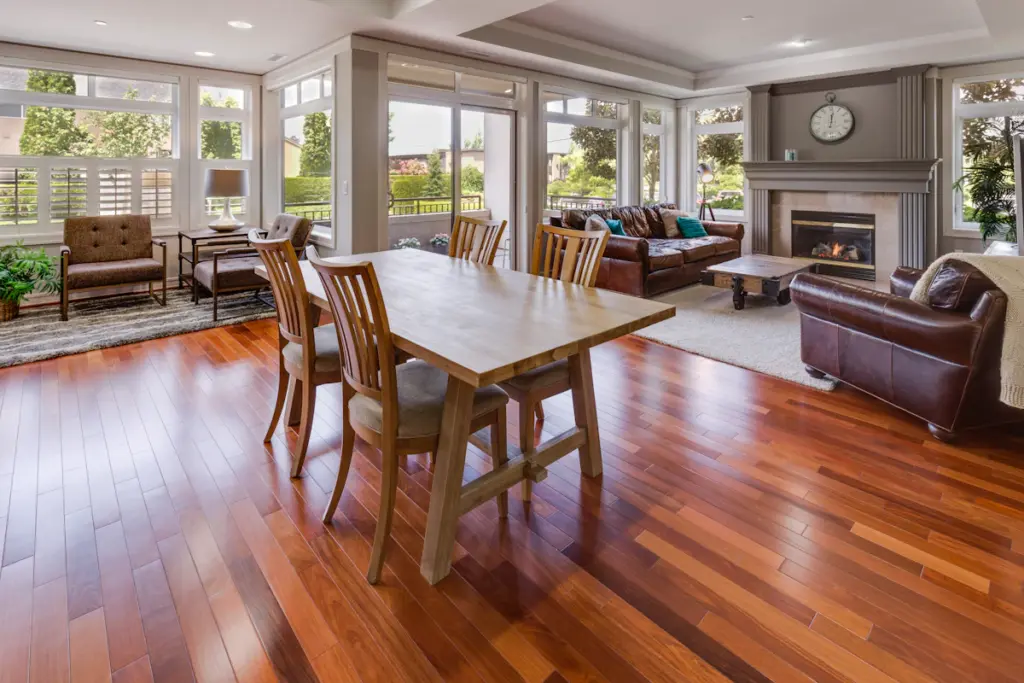
Show completed kitchens, living rooms, basements and bathrooms with the product used. Homeowners imagine their own rooms.
Step 3: Easy booking
Offer online booking for showroom visits and free in-home measures. Confirm quickly and follow up.
Step 4: Google Maps
Use the Flooring Store or Flooring Contractor category, add products and services, upload photos and post promotions. See our guide to local marketing strategies in the USA.
Step 5: Google and Meta ads
Search ads on product and location terms capture active buyers. Meta ads with room transformations and promotions reach homeowners planning projects.
Step 6: Financing and promotions
Financing makes larger projects affordable. Seasonal sales tied to holidays and new-home season attract buyers.
Step 7: Reviews and partnerships
Ask every customer for a review with photos. Partner with builders, remodelers, realtors and interior designers. See our guide to remodeling company marketing.
Step 8: AI search
Homeowners ask AI tools “best flooring for dogs” or “how much does LVP cost installed”. Clear comparisons and FAQs help you get cited.
Getting help
One option is the flooring company marketing programme from QHR Solutions, which covers websites, local SEO, Google Business Profile, ads, reviews and AI search visibility, with a free audit and 90-day plan within 48 hours and no lock-in. (Disclosure: QHR Solutions built and supports this publication.)
A 30-day checklist
- Create pages for each flooring type.
- Publish two comparison pages.
- Add a room gallery.
- Enable online booking for measures.
- Complete Google Business Profile.
- Launch Google Ads on product terms.
- Run a Meta promotion.
- Promote financing.
- Request reviews with photos.
- Contact three builders or designers.
Retail showroom versus installer-only businesses
Flooring retailers with showrooms can market the experience of seeing and touching samples, design help and product selection. Installer-only businesses should emphasise craftsmanship, subfloor preparation, reliability and partnerships with builders and remodelers. Many companies do both. Make sure the website explains whether customers can buy materials from you, bring their own, or both, and how pricing works in each case.
Common mistakes flooring companies make
- Quoting materials but not installation details. Customers comparing quotes need to see subfloor prep, underlayment, removal and disposal, trim and transitions.
- No guidance on choosing. Homeowners are overwhelmed by options. Simple selection guides by room, budget, pets and moisture build trust.
- Weak follow-up on measures. A free measure without a fast, clear quote wastes the opportunity.
- Ignoring commercial work. Offices, rental properties, healthcare facilities and retail spaces provide larger projects.
How to measure what is working
Track showroom visits and measure requests by source, measure-to-sale conversion, average ticket by flooring type and gross margin. Monitor referral volume from builders and designers. Review monthly and invest in the channels and product categories producing profitable installs.
Helping homeowners choose
Flooring is one of the most confusing purchases homeowners make. Luxury vinyl plank, laminate, engineered hardwood, solid hardwood, tile and carpet each come in hundreds of options, with differences in water resistance, durability, comfort, sound, maintenance and price. Many homeowners delay because they are afraid of choosing wrong. Flooring companies that simplify decisions, with selection guides by room, lifestyle and budget, win trust and sales. A short quiz or guided consultation (kids? pets? basement? budget?) can narrow the options quickly.
Selling the installation, not just the product
Many problems with floors come from poor installation: uneven subfloors, missing moisture barriers, improper expansion gaps or bad transitions. Explaining your installation process, including subfloor preparation, moisture testing, furniture moving, old floor removal, trim and clean-up, shows value beyond the price per square foot. Warranties on workmanship as well as materials are persuasive.
Showroom and in-home experience
Showrooms let customers see and touch samples; in-home consultations let them see samples in their own lighting. Offering both, with easy booking, increases conversions. Room visualiser tools that let homeowners upload a photo and preview floors help them commit to a choice.
Financing and project bundling
Flooring an entire home is a significant investment. Financing options and bundled pricing (whole-home packages, multiple rooms) make larger projects easier. Seasonal promotions timed to home improvement seasons and holidays can drive decisions.
Builder, remodeler and commercial work
Builders, remodelers, property managers and designers can provide steady volume. Rental properties need durable, easy-to-replace flooring; commercial spaces need products rated for heavy traffic. A dedicated trade programme with pricing tiers, fast scheduling and reliable crews attracts these partners.
Reviews and visual proof
Before-and-after photos of real installations, especially of whole-home transformations, are powerful. Ask customers for reviews with photos once installation is complete, and share them on Google and social media.
Seasonal patterns
Demand often rises before holidays, when people want homes ready for guests, and in spring. Plan promotions and installer capacity accordingly.
A realistic example
Consider a family-owned flooring store with a small showroom that relied on walk-in traffic and a few builder accounts. Online, it had a dated website with a list of brands and no prices. The owners rebuilt the site around how homeowners decide: pages for each flooring type with durability, water resistance and installed price ranges, a selection guide for homes with pets and children, and comparison pages for LVP versus hardwood and laminate versus vinyl. They added online booking for free in-home measures, a room gallery tagged with the products used, and financing information. They also posted short videos of installations on Instagram and Facebook. Over the following year, in-home measure requests grew steadily, and many customers arrived having already narrowed their choices, which shortened the sales process.
Your first 90 days
Month one: create product and comparison pages, add price ranges, enable measure booking and refresh the Google Business Profile with installation photos. Month two: launch Google Ads on high-intent product and location terms, start a Meta campaign featuring room transformations, and set up review requests after every installation. Month three: contact builders, remodelers, realtors and property managers about trade accounts, publish two more selection guides and review which channels produced completed sales.
How much to budget
Many flooring retailers set marketing budgets as a percentage of revenue, commonly in the low to mid single digits for established stores and higher during growth phases. Start with enough paid search to cover your core service area for high-intent terms, invest steadily in content and the Google profile, and track cost per completed sale rather than cost per lead. Increase spending in channels where installations follow measures at a healthy rate.
What homeowners look for before they call
Flooring projects are personal and visible, so homeowners compare options carefully. Before contacting a flooring company, they look at photos of installed floors in real homes, explanations of different materials such as hardwood, luxury vinyl plank, laminate, tile and carpet, and guidance on which works best for kitchens, basements, pets and children. They want price ranges per square foot including installation, information about subfloor preparation, furniture moving and old floor removal, and realistic timelines. Many prefer companies that offer in-home samples and measurements, and they value warranties on both materials and installation.
Build material pages with pros, cons and pricing, a project gallery organised by room and material, and an online booking option for in-home estimates. Content comparing luxury vinyl versus hardwood or explaining the best flooring for basements answers common questions for search engines and AI tools.
Questions to ask before hiring a marketing partner
Ask whether they can help you attract higher-value projects such as whole-home hardwood or tile rather than small repair jobs. Ask how they will track estimates and sales by source, how they will use showroom traffic in their reporting, and who owns the accounts.
Building authority beyond your website
Partnerships with interior designers, remodelers, real estate agents and builders, certifications from flooring manufacturers, and showroom events strengthen reputation. Consistent listings across Google, Houzz and Yelp help AI recommendations.
Timing and planning
Many homeowners plan flooring updates before holidays and in early spring. Promote financing and seasonal offers ahead of these periods to fill installation schedules.
Quick checklist
- Create pages for each flooring material.
- Publish installed price ranges.
- Offer in-home estimates and samples.
- Build designer and remodeler partnerships.
- Request reviews after installation.
- Track estimates to sales.
Flooring companies that educate buyers and show real installations win larger projects.
Every finished floor is a story worth photographing and sharing.
Ask every customer for permission to share photos, and your gallery will soon become your best salesperson.
Frequently asked questions
How do flooring companies get more customers?
With product pages, galleries, easy estimate booking, Google Maps, ads, financing and reviews.
What content works for flooring?
Comparisons, durability guides and price ranges.
Should flooring companies offer free measures?
Yes. It lowers the barrier to an estimate.
Which partners refer flooring work?
Builders, remodelers, realtors and interior designers.
Does AI search matter for flooring?
Yes. Material comparisons are common AI questions.
Closing
Flooring marketing works when it helps homeowners choose confidently. Educate, show finished rooms and make the estimate easy.