
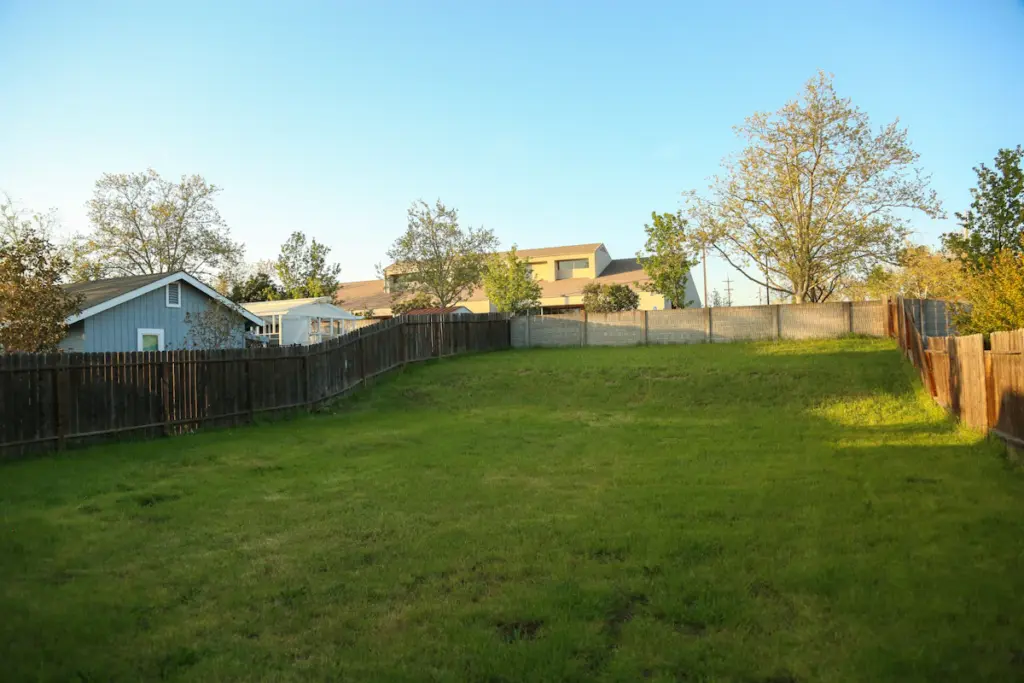
Lawn care marketing in the USA is about recurring revenue and route density. A lawn care business makes money when it has many weekly or seasonal customers on the same streets, so crews spend more time working and less time driving. The companies growing fastest offer instant online quotes, sell recurring mowing and fertilisation programmes, rank in Google Maps, target specific neighbourhoods with door hangers and ads, upsell aeration, overseeding and other services, collect reviews and publish helpful lawn content that AI tools cite.
Lawn care vs landscaping
Lawn care focuses on recurring maintenance: mowing, edging, fertilisation, weed control, aeration and seasonal clean-ups. Landscaping covers design and installation projects. Many companies do both, but lawn care marketing should emphasise convenience, reliability and recurring programmes. For design and install marketing, see our guide to landscaping marketing.
Step 1: Instant quotes
Tools that measure lawn size from satellite imagery let customers get a mowing or treatment price online in seconds. Instant quotes dramatically increase sign-ups compared with “call for estimate”.
Step 2: Sell programmes, not visits
Package weekly or bi-weekly mowing for the season, and multi-step fertilisation and weed control programmes (often five to eight applications a year). Offer autopay and seasonal agreements. Programme customers are more profitable and predictable.
Step 3: Google Maps and local SEO
Use the Lawn Care Service category, list services, set service areas, upload photos and post updates. Build pages for your main neighbourhoods and towns. See our guide to local marketing strategies in the USA.
Step 4: Neighbourhood targeting
Density is profit. Target the streets around existing customers with door hangers, yard signs and neighbour referral offers (“your neighbour uses us, get a discount”). Meta ads targeted by ZIP code reinforce the message.
Step 5: Seasonal campaigns
Launch mowing sign-up campaigns in late winter, fertilisation in early spring, aeration and overseeding in fall, and leaf clean-ups in autumn. Prepare ads and emails ahead of each season.
Step 6: Upsells
Offer aeration, overseeding, grub control, mosquito treatments, shrub care, irrigation checks and seasonal clean-ups to existing customers. Upsells to your base are the cheapest revenue you can earn.
Step 7: Reviews and communication
Ask for reviews after the first few services. Send service notifications and photos after each visit; communication reduces cancellations.
Step 8: AI search
Homeowners ask AI tools “how often should I fertilise my lawn in [state]” or “how much does lawn mowing cost per month”. Seasonal guides, pricing explanations and FAQ schema help your company get cited.
What to expect
Instant quotes and door hangers produce sign-ups quickly in season. Google Maps improvements take one to three months. Route density and upsells grow profitability over the season and into the next year.
Getting help
One option is the lawn care marketing programme from QHR Solutions, which covers websites with quoting, local SEO, Google Business Profile, ads, reviews and AI search visibility, with a free audit and 90-day plan within 48 hours and no lock-in. (Disclosure: QHR Solutions built and supports this publication.)
A 30-day checklist
- Add an instant quote tool.
- Package mowing and fertilisation programmes.
- Complete Google Business Profile.
- Create neighbourhood pages.
- Print door hangers for streets near customers.
- Launch a neighbour referral offer.
- Plan seasonal ads and emails.
- Offer aeration and overseeding to current customers.
- Request reviews from new customers.
- Publish a seasonal lawn care guide.
Pricing lawn care profitably
Lawn care pricing is often set by lot size, grass height, obstacles and frequency, with fertilisation and weed control priced per application. Many companies underprice in their first years to win customers and then struggle with margins as costs rise. Know your cost per labour hour, fuel and materials, and build pricing that leaves room for profit. Publish starting prices or an instant quote tool, and offer a discount for prepaid or full-season programmes, which improve cash flow and retention.
Selling programmes, not individual visits
Homeowners do not want to think about their lawn every week. A seasonal programme that includes mowing, edging, blowing, and a set number of fertilisation and weed control treatments, plus a spring and fall clean-up, removes that mental load. Present programmes in clear tiers (basic, standard, premium) so customers can choose the level of care they want. Most will pick the middle option, which should be your most profitable.
Communication reduces cancellations
Many lawn care cancellations happen because customers feel ignored or are surprised by a missed visit after rain. Send notifications before and after visits, explain weather delays, and share photos or notes from treatments. Clear communication makes customers feel cared for and protects reviews.
Upselling the right services at the right time
Aeration and overseeding in early fall, grub control in summer, mosquito treatments during the warm months, leaf clean-up in autumn, and shrub and bed maintenance in spring are natural upsells. Send short, timely offers to existing customers with photos showing why the service matters. A simple one-click approval process increases uptake.
Crew quality and reputation
Your crews are your brand on every street. Uniforms, branded trucks, careful trimming, clean-up and courteous behaviour all influence reviews and neighbour referrals. Train crews on standards and reward those with the best reviews.
Winter strategy
In cold climates, lawn care stops for months. Snow removal, holiday light installation, gutter cleaning or off-season planning and pre-selling next year’s programmes keep revenue flowing and crews employed.
Common mistakes to avoid
- Taking every job anywhere. Scattered routes reduce profit.
- Underpricing. Rising costs can erase thin margins.
- No upsell calendar. Plan seasonal offers in advance.
- Poor communication. Silence leads to cancellations.
How to measure what is working
Track customers by source, revenue per route hour, route density, programme sign-up rate, upsell revenue and retention year over year. Review monthly in season and plan next year’s marketing around neighbourhoods with the best density and retention.
A realistic example
Picture a lawn care company with four crews whose customers were spread across a wide area, so drive time ate into profit. The owner decided to build route density: he targeted marketing at neighbourhoods where he already had customers. Door hangers went to homes near every property serviced, and the website added neighbourhood pages and an instant quote tool based on lot size. Seasonal programmes for fertilisation, weed control, aeration and overseeding were bundled with mowing into annual plans with monthly billing. Customers who referred neighbours received a credit. Within two seasons, route density improved, crews completed more stops per day, and annual plan customers made revenue more predictable.
Your first 90 days
Month one: map current customers, choose target neighbourhoods and add an instant quote tool. Month two: distribute door hangers near existing customers, launch annual plans and request reviews. Month three: start a neighbour referral credit, contact HOAs and property managers, and track customers per route and revenue per crew hour.
How much to budget
Lawn care companies should measure cost per new customer and lifetime value over several seasons. Door hangers and referral credits in dense neighbourhoods often deliver strong returns. Paid search can work early in the season, when homeowners look for providers, so concentrate budget there.
What homeowners look for before they call
Lawn care customers want a reliable crew that shows up on schedule and keeps the yard looking good without constant reminders. Before calling, they look for clear service packages, such as weekly mowing, fertilisation and weed control programmes, aeration and overseeding, leaf cleanup and seasonal cleanups. They want to know prices, often based on lot size, whether contracts are required, how billing works and what happens when weather delays service. Pet- and child-safe treatment options matter to many families, as do licensing for chemical applications and insurance. Reviews mentioning consistency and communication are highly influential.
Create service pages for mowing, treatment programmes and seasonal services, and an instant quote tool. Content such as when to fertilise your lawn in your state or how to get rid of crabgrass answers frequent questions on search and AI platforms.
Showing local results, such as before-and-after photos of lawns in your neighbourhoods, helps homeowners trust that your programme works in their soil and climate.
Questions to ask before hiring a marketing partner
Ask how they will help you build route density, track new recurring customers and lifetime value, and integrate with your scheduling software. Confirm ownership of accounts.
Building authority beyond your website
HOA relationships, sponsorship of local events, state applicator licensing and consistent listings across Google, Nextdoor and Angi build credibility.
Timing and planning
Late winter and early spring is when homeowners choose providers. Launch campaigns before the season starts and pre-sell annual programmes.
The bottom line
Lawn care companies grow by focusing on dense routes, recurring programmes and dependable service that turns customers into long-term clients and neighbour referrals.
Quick checklist
- Add an instant quote tool.
- Sell annual plans with monthly billing.
- Leave door hangers near current customers.
- Offer neighbour referral credits.
- Request reviews each season.
- Track revenue per crew hour.
Frequently asked questions
How do lawn care companies get more customers?
With instant quotes, Google Maps, door hangers, neighbourhood targeting, referral offers and reviews.
Why does route density matter?
More customers on the same streets means less drive time and higher profit per hour.
Should lawn care companies sell programmes?
Yes. Seasonal programmes create predictable recurring revenue.
Do door hangers still work?
Yes, especially around existing customers.
Does AI search matter for lawn care?
Yes. Homeowners ask AI tools about lawn schedules and costs.
Closing
Lawn care marketing is about building dense, loyal routes. Make sign-up instant, sell programmes, win streets one neighbour at a time and keep customers informed.