
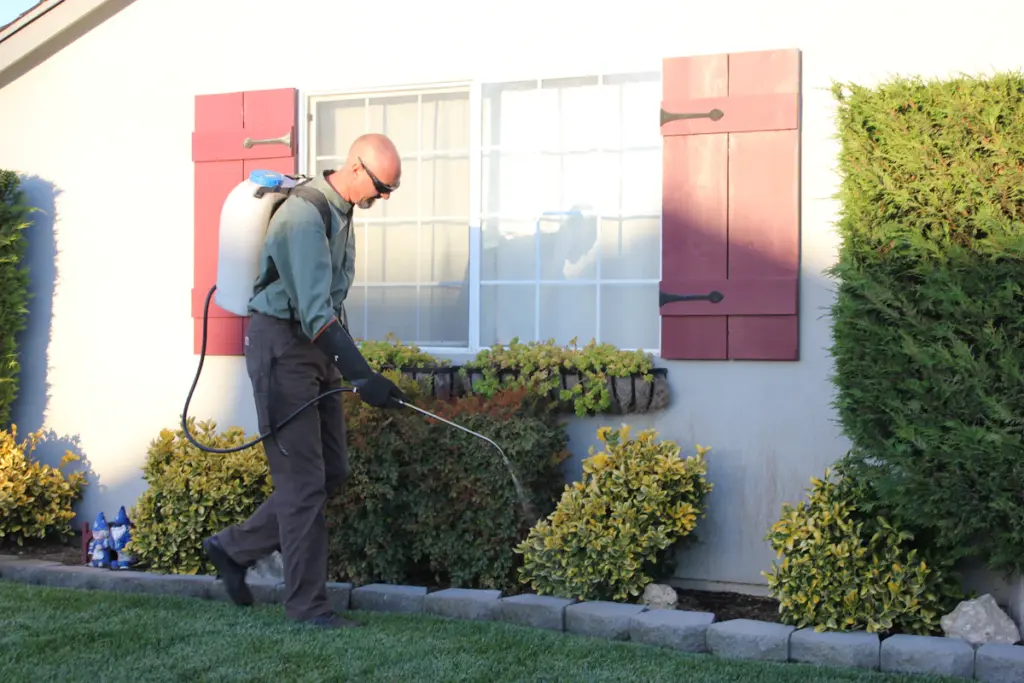
Pest control marketing in the USA is a race to be the first credible option a panicked homeowner sees. When someone finds termite damage, bed bugs or a rat in the kitchen, they search once, call the top result that looks trustworthy, and book. The companies that win that call rank in the Google Map Pack for urgent searches, run Local Services Ads with the Google Guaranteed badge, have dedicated pages for each pest, back it all with a wall of recent reviews, and then convert the emergency job into a recurring quarterly protection plan.
Why pest control marketing is a speed game
Most home services involve some comparison shopping. Pest control, for the urgent jobs, involves almost none. A homeowner with a wasp nest by the front door or a bed bug infestation wants someone today, and they will take the first company that ranks well, has strong reviews and answers the phone. That compresses the entire marketing funnel into the top three Map Pack results, the Local Services Ads above them, and the first ring of the phone.
Two other factors shape the plan. Demand spikes seasonally and by pest: ants and termites swarm in spring, mosquitoes and wasps peak in summer, rodents move indoors in fall. Being ready with content and ads before each spike is the difference between a booked month and a quiet one. And because technicians work inside people’s homes, trust signals (licensing, background checks, guarantees, reviews) matter more than in almost any other trade, especially when competing with national brands that have decades of name recognition.
Step 1: Win the Map Pack for urgent, local searches
The Google Business Profile is the single most important asset a pest control company has. It needs the right primary category (Pest Control Service), every service listed individually (termite control, bed bug treatment, rodent removal, wildlife removal, mosquito control, wasp nest removal), accurate service areas, hours that reflect when you actually answer, and a constant stream of photos and posts.
Three things move rankings most: proximity (which you cannot change, except by adding genuine locations), relevance (categories, services and website content), and prominence (reviews, citations and mentions). Focus on the second and third. Post weekly about seasonal pests, respond to every review, and keep name, address and phone identical across every directory. A deeper walkthrough of these fundamentals is in our guide to local marketing strategies for small businesses in the USA.
Step 2: Run Local Services Ads for emergencies
Local Services Ads sit above the Map Pack, show the Google Guaranteed badge, and charge per lead rather than per click. For urgent pest searches they are often the single best channel in the US because the badge answers the trust question instantly and the homeowner can call straight from the ad. Get verified (licence, insurance and background checks), set your service types and areas precisely, keep your response time fast, and dispute invalid leads promptly. Your review count and rating affect how often the ads show, which is another reason review generation is a core activity, not a nice-to-have.
Step 3: Build a page for every pest
A homeowner searching “bed bug exterminator [city]” should land on a page about bed bugs, not your homepage. Pest-specific pages rank better, convert better and give AI search tools something precise to cite. Each page should cover how to identify the pest, the risks of waiting, your treatment process, what it typically costs in your area, your guarantee, and a prominent call button.
Prioritise the high-value pests: termites (inspection and treatment), bed bugs, rodents, wildlife, and whatever is seasonal in your region (scorpions in Arizona, fire ants in Texas, carpenter ants in the Northeast). Then add city or county pages for the areas you serve so you can capture “pest control [town]” searches outside your immediate location.
Step 4: Turn emergencies into quarterly protection plans
A one-time wasp nest removal is a $150 job. The same customer on a quarterly protection plan is worth several hundred dollars a year, every year, with far lower acquisition cost. Recurring plans are what make a pest control business stable and valuable, so the marketing has to be built to sell them.
- Offer the plan on-site. Technicians should present it at every job, with a simple one-page explainer and a small first-quarter incentive.
- Follow up automatically. An email and text sequence after every one-time service explaining the plan, with a one-click sign-up.
- Build a protection-plan page on the website with transparent pricing tiers and what is covered, and send retargeting ads to past one-time customers.
- Make it easy to pay monthly, which removes the sticker-shock objection.
Step 5: Be ready before each seasonal spike
Map your region’s pest calendar and prepare content and ads six weeks ahead of each surge. Publish “termite swarm season in [state]: what to do” in February, launch mosquito plan ads in April, and push rodent-proofing in September. Google Business Profile posts, email campaigns to existing customers, and seasonal landing pages all work together. Companies that react to spikes after they start are always a step behind those who prepared for them.
Step 6: Build trust for in-home service
Because your technicians enter homes, prospective customers want reassurance. Put licensing, insurance, background-check policy, technician photos, your guarantee and your safety approach (pet- and child-safe products, EPA-registered treatments) on a visible trust page and in snippets across the site. Uniformed, named technicians in photos and “meet the team” content do more for conversion than most owners expect.
Step 7: Generate reviews relentlessly
Reviews drive the Map Pack, Local Services Ads and the homeowner’s decision in the same moment. Build a system: every completed job triggers a text with a direct Google review link, technicians ask in person, and the office follows up once if nothing arrives. Respond to all reviews. A pest control company with 300 recent reviews at 4.8 stars will out-earn a competitor with 40 reviews at 5.0 almost every time, because volume and recency signal that you are busy and reliable.
Step 8: Compete with national brands on local proof
National pest brands have budgets you cannot match, but they rarely match you on local specificity. Your advantage is a page about scorpions in Scottsdale written by someone who treats them weekly, photos of your trucks in local neighbourhoods, reviews that mention street names, and a technician the customer will see again next quarter. Lean into that in every channel.
Step 9: Show up in AI search
Homeowners now ask ChatGPT, Gemini and Google’s AI Overviews questions like “how much does termite treatment cost in Florida” or “best pest control company near [city]”. These tools draw on clear, factual website content, your Google profile, reviews and third-party listings. The pest-specific pages from Step 3, with honest cost ranges and FAQ schema, are exactly what AI assistants like to cite. Consistent business details across directories and a few local news or community mentions strengthen the entity. Being the cited answer for your pest and your city is a lead source that costs nothing per click.
What to expect
Local Services Ads can produce calls within days of approval. Google Business Profile optimisation and review growth typically improve Map Pack visibility within one to three months. Pest-specific and city pages usually need three to six months to rank well. The protection-plan funnel compounds over the first year as one-time customers convert, and by year two the recurring base should be carrying a large share of revenue, smoothing out the seasonal dips.
In-house or with a specialist
An office manager with a few hours a week can keep the Google profile and review system running, but building pest pages, managing Local Services Ads and setting up automated funnels is usually where companies stall. One option is the pest control marketing programme from QHR Solutions, which covers Google Map Pack rankings for urgent searches, Local Services Ads for pest emergencies, pest-specific pages for termites, bed bugs and rodents, recurring quarterly protection-plan funnels, review and reputation management, Google Business Profile and local SEO, and AI search visibility, with a free audit and 90-day plan within 48 hours and no lock-in. (Disclosure: QHR Solutions built and supports this publication.) However you staff it, measure it by booked jobs and active plan subscribers.
A 30-day checklist for pest control marketing
- Complete every Google Business Profile field, add all services individually, and upload 20 photos.
- Apply for Local Services Ads verification if you are not already running them.
- Publish dedicated pages for termites, bed bugs, rodents and your top seasonal pest.
- Write a protection-plan page with clear tiers and monthly pricing.
- Set up a post-job text with a direct Google review link.
- Build the post-service email and text sequence that sells the quarterly plan.
- Create a trust page: licences, insurance, background checks, guarantee, safety.
- Map your regional pest calendar and schedule content six weeks ahead of each spike.
- Install call tracking so every lead is attributed to its channel.
- Add FAQ sections with schema to each pest page for AI search.
Frequently asked questions
What is the most effective advertising for a pest control company?
For urgent jobs in the US, Local Services Ads and the Google Map Pack together produce the most calls at the best cost. Google Search Ads work well for specific high-value pests like termites and bed bugs, and retargeting is effective for selling protection plans to past customers.
How do pest control companies get more recurring customers?
Present a quarterly plan at every one-time job, automate a follow-up sequence, offer monthly billing, and put a transparent plan page on the website. Most recurring customers start as emergency calls that were handled well.
Do I need a separate page for each pest?
Yes. Pest-specific pages rank for the exact searches homeowners make, convert far better than a generic services page, and are what AI search tools quote when answering pest questions for your area.
How many Google reviews does a pest control company need?
More than the competitors in your Map Pack, and recent ones. Volume and recency both matter. A steady flow of several reviews a week during peak season keeps you ahead and improves Local Services Ads performance too.
Can a local pest control company compete with national brands?
Yes, on local relevance and trust. Local pages, local reviews, named technicians and fast response beat generic national messaging in the Map Pack and in AI search results for your specific town.
Closing
Pest control marketing is about being the obvious, trustworthy choice in the thirty seconds a homeowner spends deciding who to call, and then keeping that customer for years with a protection plan. Own the Map Pack and Local Services Ads, build a page for every pest, make reviews a daily habit, and prepare for each season before it arrives. The calls follow.