
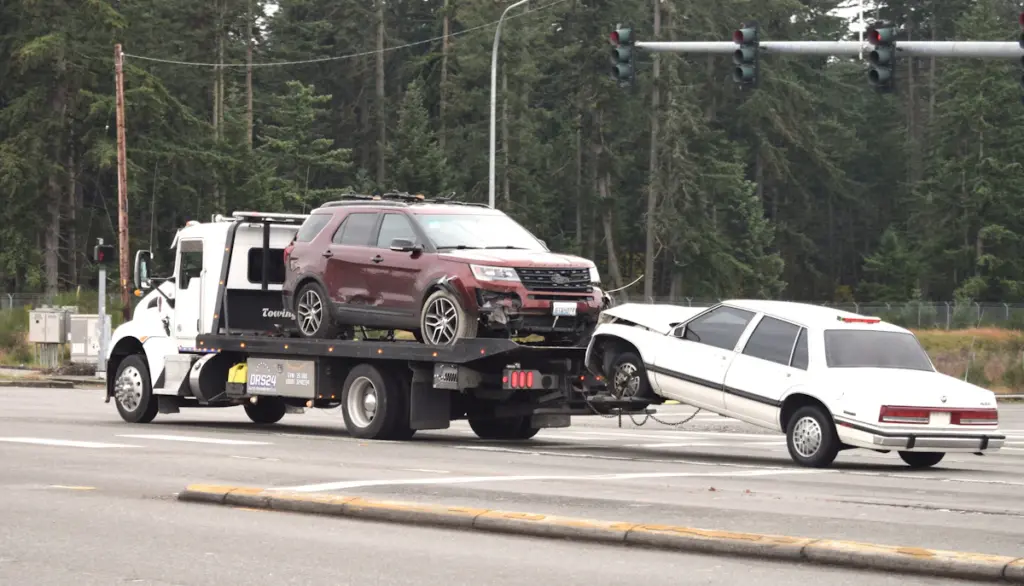
Towing company marketing in the USA is about being the first trustworthy number a stranded driver sees, any time of day. Most towing calls are urgent and decided in seconds. The towing companies growing fastest have fast click-to-call websites, service pages for every type of tow and roadside assistance, strong Google Maps rankings across their service area, call-focused Google Ads, relationships with motor clubs, police rotation lists and repair shops, commercial contracts, reviews and accurate information AI tools can cite.
Step 1: A 24/7 click-to-call website
Put a large phone number and click-to-call button at the top of every page. State 24/7 availability, typical response times and service areas. Make the site load fast on a phone with weak signal.
Step 2: Service pages
Create pages for light-duty towing, flatbed towing, heavy-duty and commercial towing, motorcycle towing, roadside assistance (jump starts, lockouts, tyre changes, fuel delivery), accident recovery, winching, long-distance towing and private property impound if applicable.
Step 3: Google Maps across the service area
Use the Towing Service category, set service areas, keep hours at 24/7 if accurate, upload photos of trucks and drivers, and post updates. Build town and highway pages. See our guide to local marketing strategies in the USA.
Step 4: Call-focused Google Ads
Run call ads on terms like “tow truck near me” and “roadside assistance [city]”, with tight location targeting and schedules matched to dispatcher coverage.
Step 5: Motor clubs and police rotation
Motor clubs and insurance roadside programmes provide steady volume, though at lower rates. Police and municipal rotation lists bring accident and impound work. Meet requirements and keep good standing.
Step 6: Commercial contracts
Auto repair shops, dealerships, fleet operators, property managers and apartment complexes need towing regularly. See our guides to auto repair shop marketing, car dealership marketing and trucking company marketing.
Step 7: Reviews and transparent pricing
Reviews mentioning fast arrival and fair prices are vital in an industry with predatory operators. Publish base rates or explain pricing, and ask every customer for a review.
Step 8: AI search
Drivers ask AI tools “how much does a tow cost” or “what to do after a breakdown on the highway”. Pricing guides and safety content with FAQ schema help your company get cited.
What to expect
Google Ads and Map Pack improvements generate calls quickly. Commercial contracts and rotation lists build stable volume over months.
Getting help
One option is the towing company marketing programme from QHR Solutions, which covers websites, local SEO, Google Business Profile, ads, reviews and AI search visibility, with a free audit and 90-day plan within 48 hours and no lock-in. (Disclosure: QHR Solutions built and supports this publication.)
A 30-day checklist
- Put click-to-call and 24/7 messaging on every page.
- Create pages for each service.
- Build town and highway pages.
- Update Google Business Profile.
- Launch call-only Google Ads.
- Review motor club and rotation status.
- Pitch five repair shops or dealerships.
- Publish pricing guidance.
- Request reviews after every tow.
- Add FAQ schema.
Winning the stranded driver in seconds
A driver stuck on the side of the road is stressed, possibly unsafe and often in an unfamiliar area. They will call the first number that looks legitimate and promises fast help. Your Google Business Profile, Local Services Ads and website must answer three questions immediately: can you come now, how long will it take, and roughly what will it cost. Showing an estimated response time, a clear service area and transparent base rates turns searchers into calls. Real photos of your trucks and drivers, with your company name visible, reassure drivers they are not calling an anonymous call centre.
Dispatch is part of marketing
The phone call is where the job is won or lost. Dispatchers who answer quickly, ask clear questions (location, vehicle type, problem, safety), give an honest arrival estimate and quote a price build trust. Missed calls are lost jobs. Track answer rates, especially overnight, and consider an answering service if your team cannot cover every hour. Send customers a text with the driver’s name and arrival time; it reduces anxiety and cancellations.
Heavy-duty and specialised towing
Heavy-duty towing, recovery and commercial roadside services are higher value and less competitive than light-duty towing. If you have the equipment, create dedicated pages and market directly to trucking companies, fleet managers, bus operators and construction firms. Fleet clients want 24/7 coverage, fast response, insurance documentation and clear invoicing. A capability sheet listing your equipment and coverage area helps win accounts.
Relationships that bring steady work
Motor clubs, insurance roadside programmes and police rotation lists provide volume, though rates are often lower. Repair shops, collision centres and dealerships can refer and send regular tows. Apartment complexes and commercial properties may need private property impound services under local rules. Build these relationships deliberately and maintain good standing with every partner.
Reputation in a skeptical industry
Predatory towing practices have made some drivers wary. Transparent pricing, written receipts, clear storage fees and professional drivers help you stand apart. Respond to every review, and resolve complaints quickly; a single unanswered negative review can deter many callers.
Common mistakes to avoid
- Hiding prices. Uncertainty sends callers to competitors.
- Missed after-hours calls. Night calls are often high-value and urgent.
- Inconsistent service areas. Promising coverage you cannot deliver leads to bad reviews.
- No follow-up for reviews. Ask every satisfied customer.
How to measure what is working
Track calls by source, answer rate, average response time, job value by service type and commercial account revenue. Review weekly for call handling and monthly for marketing channels, investing in those that bring profitable calls.
A realistic example
Picture a towing company with eight trucks that relied mostly on motor club dispatches at low rates. Direct calls were inconsistent, and after-hours calls often went to voicemail. The owner set up a 24/7 dispatch line with trained staff, rebuilt the website with click-to-call on every page, service pages for flatbed, heavy-duty, roadside assistance and accident recovery, and town pages along the major highways it covered. Base rates were published, and customers received a text with the driver’s name and arrival estimate. The company launched call-only Google Ads and approached local repair shops, dealerships and fleet operators for commercial accounts. Direct calls rose, average ticket improved, and commercial accounts reduced dependence on motor clubs.
Your first 90 days
Month one: ensure 24/7 call answering, add click-to-call and service pages, and update the Google profile with service areas and photos. Month two: publish base rates, launch call-only Google Ads, and set up arrival text notifications. Month three: pitch commercial accounts, build highway and town pages, and review calls, answer rates and revenue by source.
How much to budget
Towing companies should evaluate marketing by cost per completed tow and compare direct jobs with motor club rates. Call-only ads and Local Services Ads can be cost-effective when answer rates are high. Invest first in call handling, because advertising cannot help if calls go unanswered.
What drivers look for before they call
A driver who needs a tow is usually stranded, stressed and searching on a phone at the side of the road. They pick one of the first results that shows a phone number, a nearby location and good reviews. Speed matters more than anything: they want to know how fast a truck can arrive and roughly what it will cost. They also look for the type of service they need, such as flatbed towing for a low or all-wheel-drive car, heavy-duty towing for trucks and RVs, jump starts, lockouts, fuel delivery or winch-outs. Reviews mentioning fair prices, polite drivers and quick arrival tip the decision.
Make the phone number the dominant element on every page, keep the Google profile accurate with hours and service area, and publish base rates. Pages answering questions such as how much does a tow cost per mile or what to do after a breakdown on the highway help searchers and AI assistants.
Questions to ask before hiring a marketing partner
Ask whether they understand call-only advertising and Local Services Ads, how they will track calls to completed tows, and whether they will help you grow commercial accounts with repair shops, dealerships and fleets. Confirm ownership of accounts and the Google profile.
Building authority beyond your website
Relationships with police departments for rotation lists, body shops, insurance companies and roadside assistance providers, along with towing association membership and visible branded trucks, strengthen reputation and local search signals.
Timing and planning
Winter storms, holiday travel periods and summer heat increase breakdowns. Make sure staffing, dispatch and ad budgets are ready before these predictable peaks.
Quick checklist
- Answer every call 24/7.
- Make click-to-call prominent.
- Publish base rates.
- Send arrival texts with driver details.
- Pitch commercial accounts.
Towing companies that respond fastest and communicate clearly win more direct calls.
Fast arrival earns the review that brings the next call.
Track answer rates after hours, because that is when many of the best direct calls arrive.
Frequently asked questions
How do towing companies get more calls?
Click-to-call websites, Google Maps, call ads, motor clubs, police rotation and commercial contracts.
Are motor club contracts worth it?
They provide steady volume, though rates are lower than direct calls.
Should towing companies publish prices?
Base rates or pricing explanations build trust.
What commercial clients need towing?
Repair shops, dealerships, fleets and property managers.
Does AI search matter for towing?
Yes. Drivers ask AI tools about costs and what to do after a breakdown.
Closing
Towing marketing wins on speed and trust. Be visible everywhere drivers break down, answer fast and price fairly.