
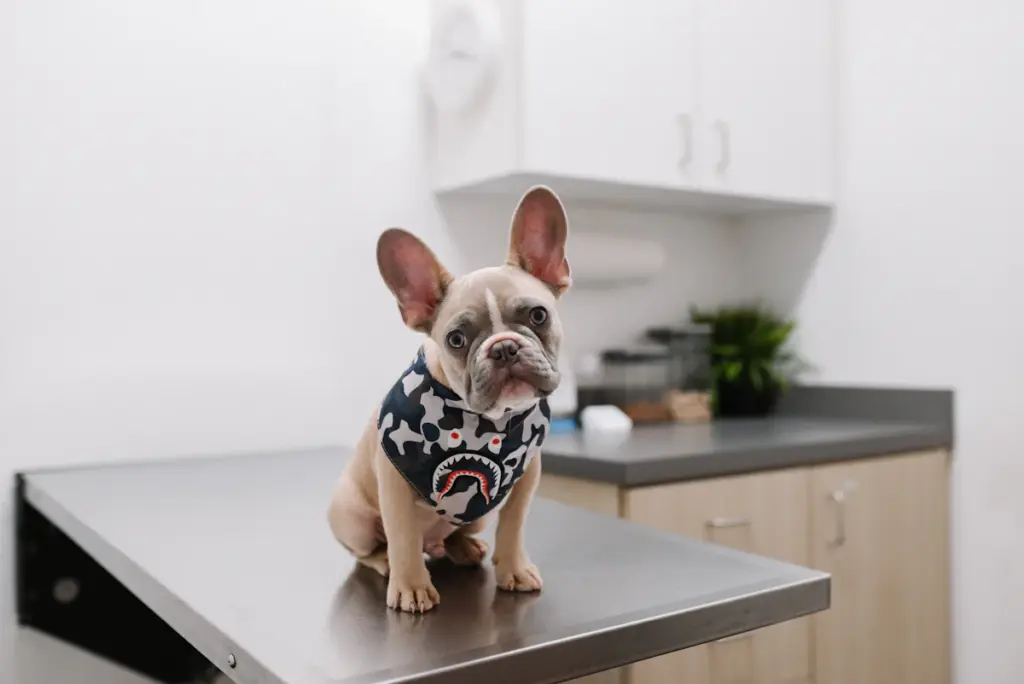
Veterinary clinic marketing in the USA is about trust and convenience for pet owners who treat their animals as family. New pet owners, people who have just moved, and owners unhappy with their current vet search online, read reviews closely and choose clinics that are close, compassionate and easy to book. The veterinary practices attracting and keeping clients have clear service pages, online booking, a strong Google Business Profile, local SEO, welcoming new-client offers, wellness plans, automated reminders, many reviews, warm social media, clear emergency information and accurate content AI tools cite.
Step 1: Service pages
Create pages for wellness exams, vaccinations, dental care, spay and neuter, surgery, diagnostics, senior pet care, puppy and kitten care, exotic pets if you treat them, behaviour, nutrition and end-of-life care. Explain what to expect and typical costs where possible.
Step 2: Online booking
Let clients book wellness visits online, request appointments for sick pets and complete new-patient forms in advance. Convenience matters to busy pet owners.
Step 3: Google Business Profile and local SEO
Use the Veterinarian or Animal Hospital category, keep hours accurate, upload photos of the clinic and team, and post updates. Build neighbourhood pages. See our guide to local marketing strategies in the USA.
Step 4: Welcome new clients
New puppy and kitten packages, new-client exam offers and a friendly welcome process attract pet owners looking for a long-term vet.
Step 5: Wellness plans
Monthly wellness plans covering exams, vaccines and preventive care improve compliance, smooth revenue and increase loyalty.
Step 6: Reminders
Automated reminders by text and email for vaccines, dental cleanings, heartworm tests and annual exams keep pets healthy and schedules full.
Step 7: Reviews
Pet owners read vet reviews carefully. Ask clients after positive visits and respond with warmth and professionalism.
Step 8: Social media
Patient photos (with owner permission), team stories, pet care tips and adoption partnerships make clinics feel personal. Instagram and Facebook work well.
Step 9: Emergency information
Make after-hours instructions and the nearest emergency hospital clear on the website and Google profile. Clients remember who helped them in a crisis.
Step 10: AI search
Pet owners ask AI tools “how often should my dog get vaccinated” or “best vet for cats in [city]”. Accurate, veterinarian-reviewed content with FAQ schema helps your clinic be cited. Pet-adjacent services may find our guide to pharmacy marketing useful for prescription services.
What to expect
Online booking and new-client offers increase bookings quickly. Google Maps and service pages build over one to six months. Wellness plans and reminders improve retention over the year.
Getting help
One option is the veterinary marketing programme from QHR Solutions, which covers websites, local SEO, Google Business Profile, social media, reviews and AI search visibility, with a free audit and 90-day plan within 48 hours and no lock-in. (Disclosure: QHR Solutions built and supports this publication.)
A 30-day checklist
- Create service pages.
- Enable online booking and new-patient forms.
- Update Google Business Profile photos and hours.
- Launch a new puppy and kitten package.
- Promote wellness plans.
- Set up automated reminders.
- Request reviews after visits.
- Post patient photos with permission.
- Publish clear emergency information.
- Add FAQ schema to service pages.
Pet owners as family decision makers
Most pet owners in the US consider their pets part of the family, and they choose a veterinarian the way they would choose a family doctor: on trust, communication and convenience. They want a vet who explains options clearly, respects their budget, handles their pet gently and is available when something goes wrong. Your marketing should show the people behind the clinic, the care in their handling, and the practical details that make life easier, such as online booking, reminders and clear pricing.
Fear-free and low-stress care
Many pets are anxious at the vet, and owners notice. Practices that use low-stress handling techniques, separate waiting areas for cats and dogs, calming pheromones, treats and gentle restraint can highlight these as real differentiators. Fear Free certification or similar training is worth mentioning. Videos showing calm, happy pets in exams are powerful on social media.
Transparency about costs
Unexpected veterinary bills are a major source of stress. Providing estimates before treatment, explaining options at different price points, publishing typical costs for routine services, and offering payment options or wellness plans helps owners make decisions without feeling pressured. It also reduces negative reviews about price.
Lifecycle marketing
Pets need different care at different stages: puppy and kitten vaccines, spay and neuter, adult wellness, dental care, and senior care with more frequent screening. Automated reminders and educational emails tied to each stage keep clients engaged and pets healthier. Senior pet programmes with twice-yearly exams and early disease screening are especially valuable for owners and practices.
Community and adoption partnerships
Partnering with local shelters and rescues to offer new-adoption exams brings new clients at the start of a pet’s life. Sponsoring pet-friendly community events, hosting vaccine clinics and sharing lost-pet alerts build goodwill.
Telehealth and convenience
Where state regulations allow, telehealth consultations for follow-ups, behaviour questions and minor concerns add convenience. Online pharmacies and home delivery of prescription diets and medications keep revenue in the practice.
Common mistakes to avoid
- No online booking. Busy owners book where it is easy.
- Surprise bills. Provide estimates and explain options.
- Generic stock photos. Show your real team and patients (with permission).
- Weak reminders. Missed vaccines and dental care hurt pets and revenue.
How to measure what is working
Track new clients by source, active patients, compliance with recommended care, wellness plan enrolment, average revenue per client and client retention. Review monthly and focus on the channels and services that keep pets healthy and clients loyal.
A realistic example
Picture a two-doctor veterinary clinic in a growing suburb where new pet owners kept choosing a corporate chain hospital. The clinic’s website was outdated and offered no online booking. The team added online appointment requests, a new client page explaining what to expect at the first visit, and transparent wellness plan pricing for puppies, kittens and senior pets. Doctor and staff bios included their own pets. Reminder texts for vaccines and annual exams improved compliance, and every visit was followed by a review request. The clinic partnered with local shelters, groomers and trainers, offering a first-visit exam discount for newly adopted pets. Within a year, new client numbers grew steadily and wellness plan enrolment increased.
Your first 90 days
Month one: add online booking, create a new client page and update the Google profile with clinic, team and patient photos. Month two: publish wellness plan details, set up reminder texts and request reviews after every visit. Month three: partner with shelters and pet businesses, publish two seasonal pet health articles, and track new clients by source.
How much to budget
Veterinary practices often measure marketing by cost per new client and compare it with the lifetime value of a pet’s care over many years. Local search, reviews and community partnerships usually offer the best return. Reminder systems that keep existing clients on schedule are among the most profitable investments.
What pet owners look for before they book
Pet owners treat their animals as family, so choosing a veterinarian is an emotional decision. Before booking, they look for a clinic that is close, has appointments available soon, and offers the services they need, such as wellness exams, vaccinations, dental cleanings, surgery, urgent care or care for exotic pets. They want to see the doctors and staff, read about their experience and approach, and look at photos of the clinic. Clear pricing for common services, wellness plan details and payment options, including pet insurance and financing, help them feel comfortable.
Reviews mentioning gentle handling, clear explanations and compassion during difficult moments carry great weight. New pet owners often search for questions such as when should a puppy get vaccines or how often should a cat see a vet, so educational content helps attract them and gives AI assistants accurate information to share.
Fear-free or low-stress handling practices are increasingly important to owners of anxious pets, so describe your approach clearly if you offer it.
Questions to ask before hiring a marketing partner
Ask whether they have worked with veterinary practices, how they will track new clients and appointments, and whether they can integrate with practice management software. Confirm ownership of the website and accounts.
Building authority beyond your website
Partnerships with shelters, groomers, trainers and pet stores, community events such as vaccine clinics, and accurate listings on Google and Yelp strengthen visibility.
Timing and planning
Spring and summer bring parasite prevention and travel needs, while holidays bring boarding and safety questions. Plan content and reminders around these seasons.
The bottom line
Veterinary clinics grow by making booking easy, showing compassion and keeping pets on schedule for preventive care.
Quick checklist
- Offer online booking.
- Publish wellness plan pricing.
- Send care reminders.
- Partner with shelters.
Clinics that make preventive care easy keep pets healthy and clients loyal.
Frequently asked questions
How do veterinary clinics get more clients?
Online booking, Google Maps, reviews, new-client offers, wellness plans and warm social media.
Do wellness plans help vet clinics?
Yes. They improve preventive care and client loyalty.
Should vets publish prices?
Ranges for common services help owners plan and build trust.
How important are reviews for vets?
Very. Pet owners rely heavily on reviews.
Does AI search matter for vets?
Yes. Pet owners ask AI tools about pet health and clinics.
Closing
Veterinary marketing works when pet owners feel their animals are in caring, capable hands and booking is easy. Show the care and keep in touch.