
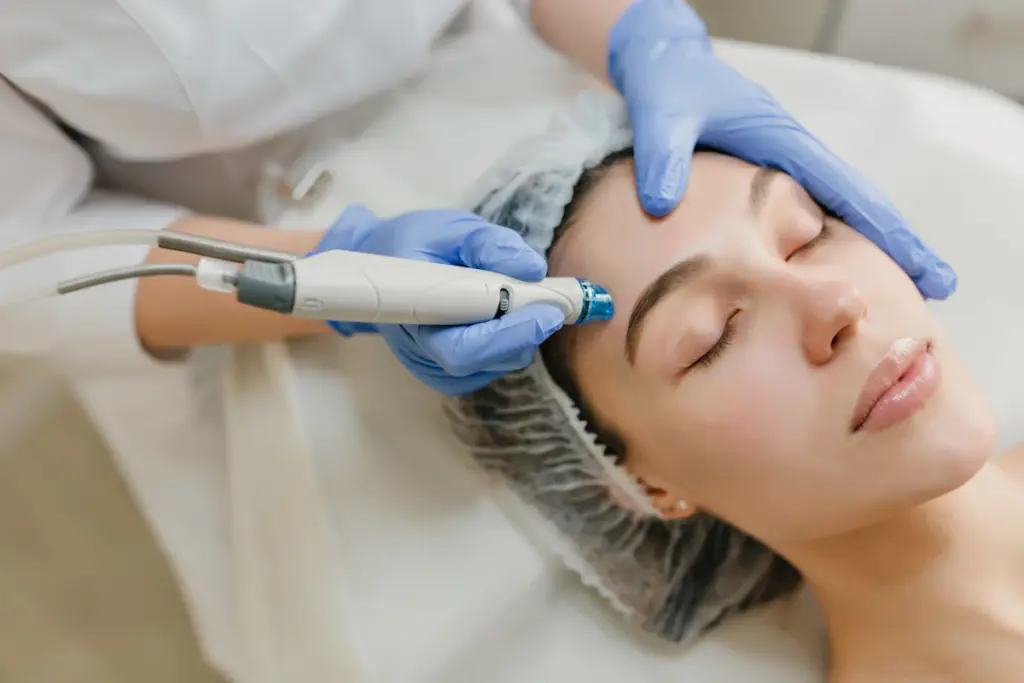
Dermatologist marketing in the USA has to serve two very different patient journeys. Medical dermatology patients (acne, eczema, psoriasis, skin checks, skin cancer) are often referred or searching for an appointment soon, usually filtered by insurance. Cosmetic patients (Botox, fillers, lasers, chemical peels) research carefully, compare providers and pay out of pocket. The practices that grow both have pages for every condition and treatment, online booking, a strong Google Business Profile, before-and-after galleries for cosmetic services, reviews, HIPAA-aware advertising and clear, accurate content that AI tools cite.
Step 1: Condition and treatment pages
Create a page for each medical condition you treat (acne, rosacea, eczema, psoriasis, hair loss, moles and skin cancer screening, Mohs surgery) and each cosmetic treatment (neurotoxins, fillers, laser resurfacing, IPL, microneedling, chemical peels, body contouring). Explain symptoms or goals, treatment options, what to expect, recovery and, for cosmetic services, price ranges. Medical content should be accurate and reviewed by a physician.
Step 2: Online booking and insurance clarity
Many patients choose a dermatologist based on availability. Online booking, clear new-patient wait times and an accepted-insurance list reduce friction. For cosmetic services, offer virtual consultations.
Step 3: Google Business Profile and local SEO
Use the Dermatologist category, list each provider, keep hours and locations accurate, upload office photos and post regularly. Build location pages if you have multiple offices. See our guide to local marketing strategies in the USA.
Step 4: Cosmetic marketing
Cosmetic patients want proof. Before-and-after galleries (with consent), provider credentials, short treatment videos, transparent pricing ranges and membership or package offers all help. Instagram is especially effective. See our guide to med spa marketing for related tactics.
Step 5: Reviews
Ask patients for reviews after visits with a simple text link. Respond to reviews without confirming patient status or discussing health information, to stay HIPAA compliant.
Step 6: HIPAA-aware advertising
Google and Meta ads work for both medical and cosmetic services, but tracking pixels on pages with health information can raise HIPAA concerns. Use compliant tracking setups, avoid retargeting based on specific conditions, and follow platform health-ad policies.
Step 7: Referrals
Primary care physicians and other specialists refer medical dermatology patients. Make referrals easy with clear processes and quick appointment availability.
Step 8: AI search
Patients ask AI tools “what helps with rosacea” or “how much does laser resurfacing cost in [city]”. Accurate, physician-reviewed content with FAQ schema helps your practice get cited.
What to expect
Online booking and Google profile improvements increase appointment requests quickly. Treatment pages rank in three to six months. Cosmetic galleries and social content build steadily.
Getting help
One option is the dermatologist marketing programme from QHR Solutions, covering websites, local SEO, Google Business Profile, ads, reviews and AI search visibility, with a free audit and 90-day plan within 48 hours and no lock-in. (Disclosure: QHR Solutions built and supports this publication.)
A 30-day checklist
- Create pages for top conditions and treatments.
- Add online booking and an insurance list.
- Complete Google Business Profile for each provider.
- Build a cosmetic before-and-after gallery.
- Publish price ranges for cosmetic services.
- Set up HIPAA-aware tracking.
- Send review requests after visits.
- Post twice weekly on Instagram.
- Contact referring physicians.
- Add FAQ schema to treatment pages.
Common mistakes dermatology practices make
- Long new-patient wait times hidden from patients. If medical appointments are booked months out, say so and offer alternatives such as PA or NP appointments or telehealth for certain conditions.
- Mixing medical and cosmetic messaging. A patient worried about a suspicious mole does not want to land on a Botox promotion. Keep the two paths clear.
- Unclear provider credentials. Patients increasingly want to know whether they are seeing a board-certified dermatologist, physician assistant or aesthetician. Be transparent.
- No skin cancer awareness content. Skin checks are one of the most important services. Seasonal campaigns around sun safety and annual screenings bring in patients and serve the community.
Seasonal opportunities
Dermatology has natural seasonal themes. Spring and summer suit sun protection and skin cancer screening campaigns. Fall and winter are popular for laser treatments and chemical peels, which require reduced sun exposure, and for cosmetic procedures ahead of holidays. Plan content and promotions around these cycles.
How to measure what is working
Track appointments by source and type (medical versus cosmetic), new-patient volume, cosmetic consultation-to-treatment conversion, average cosmetic revenue per patient and rebooking rates for ongoing treatments. Use HIPAA-compliant analytics. Review monthly and balance investment between medical access and cosmetic growth according to capacity and goals.
A real-world example
Consider a dermatology practice with long waits for medical appointments and an underused cosmetic service line. Its website combined everything on a few pages, and many cosmetic visitors left without booking. The practice separated medical and cosmetic sections, added physician assistant appointments to shorten medical wait times, created dedicated pages for acne, eczema, psoriasis, skin cancer screening and each cosmetic treatment, and built a consented before-and-after gallery. It launched online booking for cosmetic consultations, published price ranges and financing options, and ran a sun-safety and skin check campaign in spring. Medical access improved, cosmetic consultations increased, and the practice gained more reviews mentioning shorter waits and clear explanations.
A 90-day action plan
Days 1–30: Separate medical and cosmetic paths on the website, update provider profiles and insurance lists, and enable online booking. Days 31–60: Create condition and treatment pages, launch a before-and-after gallery with consent, publish cosmetic price ranges and audit tracking for HIPAA compliance. Days 61–90: Run a seasonal skin check or treatment campaign, request reviews after visits, contact referring primary care physicians and review results by service line.
How much to budget
Dermatology practices should measure marketing by cost per new patient and separate medical from cosmetic services, since cosmetic treatments have higher margins and often depend more on marketing. Medical dermatology grows through search visibility, insurance listings and physician referrals, while cosmetic services benefit from social media, before-and-after content and targeted ads. Track the lifetime value of cosmetic patients who return for regular treatments.
Questions to ask before hiring a marketing partner
Ask whether they have worked with medical practices and understand HIPAA and medical advertising rules. Ask how they will track appointments by service line, who owns the website and accounts, and how they will protect patient privacy in tracking and reviews. Ask for examples of both medical and aesthetic campaigns, and how they report on patients rather than clicks.
What patients look for before they book
Dermatology patients fall into two broad groups with different priorities. Medical patients, those dealing with acne, eczema, psoriasis, rashes, or a suspicious mole, care most about appointment availability, insurance acceptance and the credentials of the provider. Wait times for dermatology appointments can be long in many US markets, so practices that offer earlier availability or clear access to physician assistants and nurse practitioners often win the booking. Cosmetic patients, seeking injectables, laser treatments, chemical peels or skin rejuvenation, look for before-and-after photos, provider experience with specific treatments, transparent pricing and a comfortable, modern setting.
Build separate service pages for medical and cosmetic dermatology, list accepted insurance plans clearly, and show current availability with online booking. Educational pages explaining when to see a dermatologist about a mole or how often to get a skin check provide useful answers for searchers and are often cited by AI assistants.
Answering common objections
Medical patients may worry about cost and wait time, so explain insurance coverage, self-pay options and how to request earlier appointments. Cosmetic patients often hesitate because of price, fear of unnatural results or downtime. Address these by explaining treatment options at different price points, showing natural-looking results with consent, and stating realistic recovery times.
Building authority beyond your website
Free skin cancer screening events, contributions to local health media, board certification displayed clearly and accurate listings on Healthgrades, Zocdoc, WebMD and Google all strengthen credibility and visibility across search and AI tools.
Timing and planning
Skin checks rise in late spring before summer, while cosmetic treatments peak before the holidays and wedding season. Year-end insurance deductibles also prompt medical visits. Plan content and promotions around these periods.
The bottom line
Dermatology practices grow by separating medical and cosmetic marketing, making access easy and building patient trust through expertise and results.
Quick checklist
- Create separate medical and cosmetic pages.
- List accepted insurance plans.
- Show availability with online booking.
- Share results with patient consent.
- Request reviews compliantly.
- Track appointments by service line.
Start with the items that remove friction for patients, such as online booking and clear insurance information, then build visibility through education and reviews. Measure medical and cosmetic results separately, because each service line grows through different channels. Over a year, steady progress on this list usually produces a fuller schedule, a stronger reputation and a healthier mix of high-value cosmetic treatments.
Frequently asked questions
How do dermatologists get more patients?
Condition and treatment pages, online booking, Google Maps visibility, reviews, referrals and cosmetic marketing.
Should cosmetic and medical dermatology be marketed differently?
Yes. Medical patients prioritise availability and insurance; cosmetic patients want proof, pricing and provider expertise.
Are before-and-after photos allowed?
Yes, with patient consent and in line with platform and state rules.
Is Facebook advertising HIPAA compliant?
It can be used carefully, but tracking pixels on health pages need compliant setups.
Does AI search matter for dermatology?
Yes. Patients ask AI tools about conditions and treatments. Accurate content gets cited.
Closing
Dermatology marketing works when each patient type finds what they need: availability and clarity for medical care, proof and expertise for cosmetic care.