
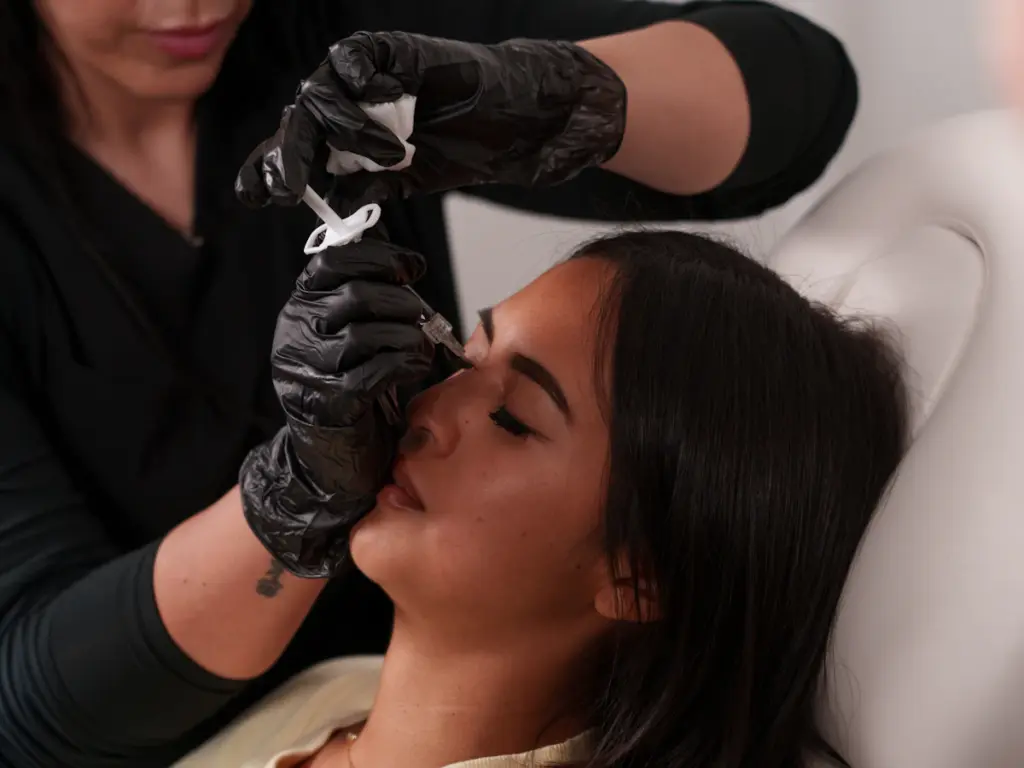
A med spa in the United States books more Botox, filler and laser clients by combining two channels that most clinics run badly: Instagram and Meta ads that comply with Meta’s health advertising rules, and local SEO that captures people already searching for a specific treatment near them. Add treatment pages with online booking, a membership programme that smooths out feast-or-famine weeks, and a review routine, and the clinic stops depending on deal sites that attract one-time bargain hunters.
Why med spas have feast-or-famine weeks
Aesthetic demand is driven by events, seasons and promotions: weddings, holidays, summer, a competitor’s discount. Clinics that rely on deal sites see a rush of first-time clients who never return at full price, followed by empty weeks. The fix is a mix of always-on search visibility for people actively looking, consistent social presence for people who are considering, and a membership or package structure that turns one-time clients into monthly ones.
Step 1: Local SEO for treatment searches
People search “Botox near me”, “lip filler [city]” and “laser hair removal cost” every day. Your Google Business Profile should use the category “Medical spa” with relevant secondary categories, list every treatment with a short description, show real photos of the clinic and team, and carry a steady flow of reviews. On the website, build a page for each treatment: Botox and neuromodulators, dermal fillers, laser hair removal, skin resurfacing, microneedling, body contouring, memberships. Each page needs a plain explanation, honest pricing guidance (per unit, per syringe or per session), what to expect, aftercare and an FAQ.
Step 2: Online booking on every page
Aesthetic clients book on impulse and on their phone, often late at night. A “Book now” button in the header connected to real-time scheduling converts far better than “call to book”. Keep the first booking simple, collect consent forms afterwards, and send an automatic confirmation and reminder. Track which pages and campaigns produce bookings.
Step 3: Instagram and Meta ads that stay compliant
Meta restricts health and personal-attribute targeting and rejects ads that imply a person has a flaw or that promise results. Ads that work and get approved focus on the treatment, the clinic and the experience rather than on the viewer’s appearance. Before-and-after images need the client’s written consent and must not be used in ways that violate Meta’s policies or state medical board rules. Reels showing the clinic, the practitioners explaining a treatment and consented transformations build trust; paired with a booking link, they produce consultations. Retarget website visitors who viewed a treatment page but did not book.
Step 4: Memberships and packages
A monthly membership (a credit toward treatments, member pricing, priority booking) converts occasional clients into predictable revenue and fills the quiet weeks. Build a dedicated membership page that explains the value in one screen, promote it in the clinic at checkout, in email and text to past clients, and in a retargeting campaign. Packages for multi-session treatments such as laser hair removal work the same way.
Step 5: Reviews and reputation, carefully
Reviews decide which med spa a new client trusts. Ask after a visit the client is happy with, send the direct Google review link by text, and respond to every review without confirming treatment details, because HIPAA applies to medical spas offering medical treatments. Never offer discounts for reviews. Monitor Yelp and RealSelf as well as Google, because aesthetic clients check all three.
Step 6: Avoid the deal-site trap
Groupon-style deals bring volume but attract clients who shop by price and rarely return. If you use them at all, use them for one entry-level treatment, capture the client’s contact details, and move them to a membership or package at the first visit. Spend the rest of the budget on channels that bring clients who want your clinic, not the cheapest clinic.
Step 7: Being cited in AI search
Clients ask AI assistants “how much is Botox in Miami” and “what is the best med spa near me”. The systems quote pages that answer directly: a clear first paragraph on each treatment page with pricing guidance and what to expect, an FAQ in the client’s words, practitioner bios with credentials, and consistent business details everywhere. Clinics that publish honest pricing are cited; clinics that hide it are not. For the wider local approach, see our guide to local marketing strategies for small businesses in the USA.
What to expect
Meta ads and Google Ads can produce bookings within days. Local SEO usually takes 60 to 90 days to show and keeps compounding. Measure booked consultations, first-visit revenue and membership sign-ups per channel.
In-house or with a specialist
Many med spas run their own Instagram and reviews well. Compliant Meta ad campaigns, treatment pages that convert, booking integration and membership funnels tend to benefit from experience. Choose an agency that understands Meta’s health rules and medical board advertising restrictions.
One option is the med spa marketing programme from QHR Solutions, which covers compliant Instagram and Meta ads, local SEO for treatment searches, treatment pages with online booking, reels and transformation content, membership funnels, review generation and call tracking, with a free audit and 90-day plan within 48 hours and no lock-in. (Disclosure: QHR Solutions built and supports this publication.) Our guide to dental practice marketing covers similar booking and review systems for another healthcare setting.
A 30-day checklist
- Week 1: Complete the Google Business Profile with treatments, photos and the “Medical spa” category; add online booking to every page.
- Week 2: Publish treatment pages for your top three services with pricing guidance, aftercare and FAQs.
- Week 3: Launch the review routine; collect written consent for before-and-after content; build the membership page.
- Week 4: Launch a compliant Meta campaign with retargeting and a Google Ads campaign on treatment searches, with booking tracking.
What clients look for before they book
Med spa clients usually research carefully before booking treatments that affect their appearance. They look for before-and-after photos of treatments they are considering, such as Botox, fillers, laser hair removal, microneedling, body contouring or IV therapy, and they want to see results on people who look like them. They want to know who performs treatments and their credentials, whether a physician supervises the practice, what products and devices are used, and what the treatment will cost, ideally per unit, per syringe or per session. Recovery time, comfort, and how many sessions are required are frequent questions. Reviews that describe a friendly, unhurried consultation often tip the decision.
Build treatment pages with pricing, photos shared with consent, provider bios and realistic expectations. Explain safety and medical oversight clearly. Content that answers questions such as how long Botox lasts or laser hair removal versus waxing is commonly surfaced by search and AI assistants.
Questions to ask before hiring a marketing partner
Ask whether they understand medical advertising rules and platform restrictions on aesthetic ads, how they handle patient photos and privacy, and how they track bookings and revenue by treatment. Ask whether they can help build memberships and rebooking, not just first-time visits, and confirm you will own accounts and content.
Building authority beyond your website
Hosting education events, partnering with local salons and bridal businesses, earning features in local lifestyle media, and keeping listings accurate on Google, RealSelf and Yelp increase trust and help AI tools recommend your spa.
Timing and planning
Demand for injectables and skin treatments rises before the holidays, Valentine’s Day, summer and wedding season. Body contouring interest grows in spring. Promote gift cards and memberships ahead of these periods.
The bottom line
Med spas grow by showing safe, natural results, pricing clearly and turning first-time clients into members who return regularly.
Quick checklist
- Publish treatment prices.
- Show results with consent.
- Display provider credentials.
- Launch a membership programme.
- Rebook clients at checkout.
- Track revenue by treatment.
The most profitable med spas focus as much on retention as on acquisition. A client who returns every few months for injectables or skin treatments is worth far more than a one-time discount buyer. Build memberships, rebook at checkout and follow up after each treatment, and growth becomes much more predictable.
Frequently asked questions
What is the best marketing channel for a med spa?
Local search for people already looking for a treatment, and Instagram or Meta ads for people considering one. Both need treatment pages with online booking to convert.
Can med spas use before-and-after photos in ads?
Only with the client’s written consent and within Meta’s policies and your state medical board’s rules, which restrict implied promises and personal-attribute targeting.
Are Groupon deals good for med spas?
They bring one-time bargain hunters more than loyal clients. If used, limit them to one entry treatment and move clients to memberships or packages at the first visit.
How do memberships help a med spa?
They turn occasional clients into predictable monthly revenue and fill the quiet weeks between seasonal peaks.
How long does med spa SEO take?
Expect 60 to 90 days for visible local search improvement, compounding over a year. Paid social and search work within days.
Build for repeat clients
Med spa marketing pays when it brings clients who come back. Own the local search results for your treatments, run social that complies and converts, make booking a one-tap action, and turn first visits into memberships. The feast-or-famine cycle fades once the calendar fills from channels you control.