
Spa marketing in the USA blends experience, convenience and recurring revenue. Clients choose a day spa for the atmosphere and quality of treatments, but they book where it is easy, return where they feel cared for, and buy gift cards for the people they love. The spas growing fastest publish clear treatment menus and pricing, offer online booking, rank in Google Maps, use Instagram to show the experience, sell memberships, run gift card campaigns, create packages, collect reviews, build corporate and hotel partnerships and make sure AI tools describe them accurately.
Step 1: Treatment menus with pricing
Publish massages, facials, body treatments, wraps, scrubs, couples’ treatments, waxing, nail services and any wellness offerings (sauna, float tanks, infrared) with durations and prices. Describe each treatment’s benefits and who it suits.
Step 2: Online booking
Let clients book online by treatment, therapist and time, including couples’ appointments. Send confirmations and reminders with arrival instructions.
Step 3: Google Maps
Use the Day Spa category, list services, upload photos of treatment rooms and amenities, and post updates. See our guide to local marketing strategies in the USA.
Step 4: Instagram
Show the calm of the space, treatment rituals, products and team. Short videos and seasonal offers help people imagine their visit.
Step 5: Memberships
Monthly memberships including a massage or facial with member discounts create predictable revenue and loyal clients.
Step 6: Gift card campaigns
Gift cards spike around Valentine’s Day, Mother’s Day and the December holidays. Promote online gift card sales prominently in the weeks before each.
Step 7: Packages
Couples’ packages, bridal and bachelorette packages, prenatal packages and day-of-relaxation bundles increase average spend.
Step 8: Reviews
Ask clients for reviews after visits. Reviews mentioning specific therapists and the atmosphere persuade new clients.
Step 9: Corporate and hotel partnerships
Corporate wellness programmes, employee gifts, local hotels and wedding planners can bring steady bookings. See our guides to hotel marketing and wedding venue marketing.
Step 10: AI search
People ask AI tools “best couples massage in [city]” or “what is a hydrafacial”. Clear treatment descriptions, pricing and FAQ schema help your spa be recommended. For medical aesthetics, see our guide to med spa marketing; for hair, salon marketing.
What to expect
Online booking and gift card campaigns lift revenue quickly. Memberships build recurring income over months. Partnerships and reviews compound over time.
Getting help
One option is the spa marketing programme from QHR Solutions, which covers websites with booking, local SEO, Google Business Profile, social media, reviews and AI search visibility, with a free audit and 90-day plan within 48 hours and no lock-in. (Disclosure: QHR Solutions built and supports this publication.)
A 30-day checklist
- Publish a full treatment menu with prices.
- Enable online booking.
- Update Google Business Profile photos.
- Post three Instagram videos a week.
- Launch a membership.
- Prepare the next gift card campaign.
- Create two packages.
- Request reviews after visits.
- Contact two corporate or hotel partners.
- Add FAQ schema to treatment pages.
Selling the experience, not just the service
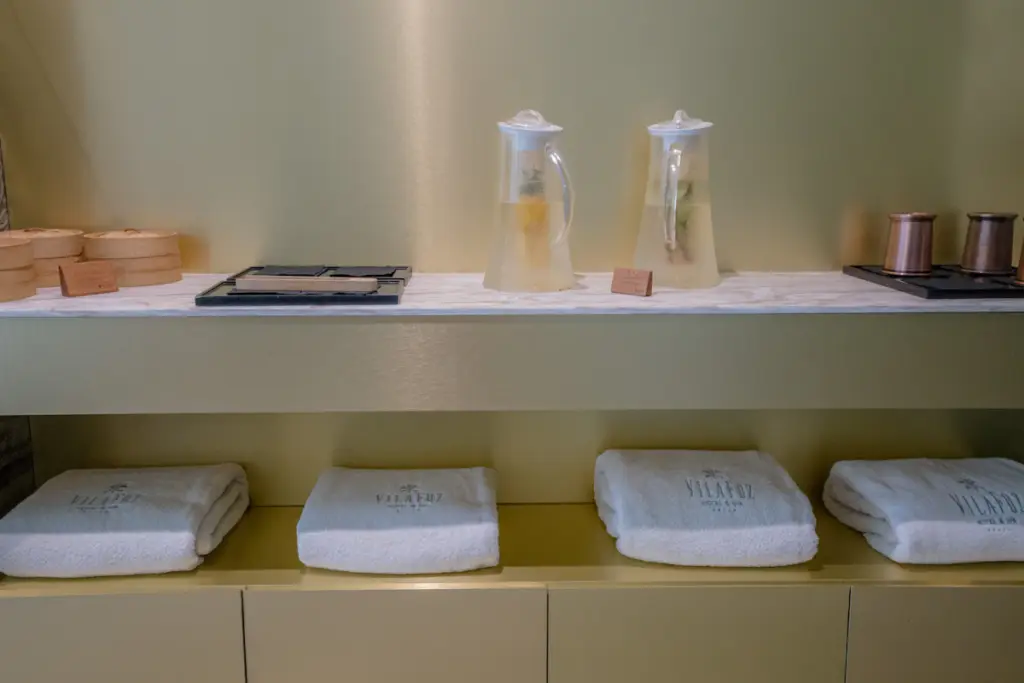
Massages and facials are available in many places, from chain massage studios to hotel spas. A day spa wins by selling an experience: the calm the moment guests walk in, thoughtful amenities, skilled therapists who listen, and the feeling of being looked after. Your website and social content should communicate that experience with real photos of treatment rooms and relaxation areas, short videos, and descriptions that focus on how clients feel, not just the steps of a treatment. Mention the details that matter: robe and slippers, tea service, quiet room, private changing areas, couples’ suites.
Building a membership programme
Memberships convert occasional visitors into regulars. A typical model includes one monthly treatment (such as a 60-minute massage or facial), member pricing on additional services and products, and the ability to roll over unused credits or share with family. Promote memberships during and after the first visit, when guests are most relaxed and satisfied, and train staff to explain the value without pressure. Track retention and offer perks for long-term members.
Gift cards as a growth engine
Spa gift cards are popular presents, and many recipients become regular clients. Make online gift card purchase easy and attractive, with e-gift delivery for last-minute shoppers. Promote heavily before Valentine’s Day, Mother’s Day and the December holidays, and consider bonus offers (for example, a bonus card with a minimum purchase). Follow up with gift card recipients after their first visit to invite them back.
Corporate and group business
Bridal parties, birthday groups, corporate wellness days and employee gifts can fill quieter days. Create packages for groups and pitch local employers, HR teams and event planners. Partner with nearby hotels whose guests may want spa services but lack an on-site spa.
Retail and home care
Recommending the products used during treatments helps clients extend results at home and adds revenue. Train therapists to make genuine recommendations, and offer online product sales and replenishment reminders.
Common mistakes to avoid
- Generic descriptions. “Relaxing massage” tells clients nothing; describe techniques, benefits and who it suits.
- Difficult booking. If clients must call during business hours, many book elsewhere.
- No rebooking prompt. Invite clients to book their next visit before they leave.
- Ignoring off-peak times. Weekday afternoon offers can fill slow periods.
How to measure what is working
Track bookings by source, therapist utilisation, rebooking rate, membership count and churn, gift card sales and redemption, and retail per visit. Review monthly and adjust promotions to fill low-utilisation slots.
A realistic example
Consider a day spa with a loyal but ageing client base and quiet weekday afternoons. Its website listed treatments without prices, and booking required a phone call. The owners added full menu pricing with descriptions, online booking by therapist and time, and a membership offering one monthly massage or facial with member pricing on add-ons. They refreshed the Google profile with photos of the relaxation lounge and treatment rooms, began posting calm, short videos on Instagram, and ran a midweek afternoon offer for local professionals. Before the holidays, they promoted e-gift cards with a bonus offer. Within six months, weekday utilisation increased, membership became a steady revenue stream, and holiday gift card sales brought in many first-time clients.
Your first 90 days
Month one: publish the full treatment menu with prices, enable online booking, and update the Google profile with fresh photos. Month two: launch a membership programme, train staff to present it after treatments, and start regular Instagram content. Month three: plan the next gift card campaign, create two packages for couples or groups, contact local hotels and employers, and review therapist utilisation by day and time.
How much to budget
Spa marketing budgets often focus on retention and gift cards rather than expensive acquisition. Invest in booking technology, professional photography, email and SMS marketing, and targeted local social ads during gift-buying seasons. Track membership growth, rebooking rate and gift card redemption to see which efforts create lasting revenue.
What guests look for before they book
Spa guests are buying an experience, so they evaluate atmosphere as much as services. Before booking, they look at photos of treatment rooms, relaxation areas and amenities, and read descriptions of massages, facials, body treatments and packages. They want clear prices, treatment lengths, and information about therapist qualifications and products used. Gift card availability, couples treatments and spa day packages are popular. Reviews mentioning cleanliness, calm atmosphere and skilled therapists are highly influential, and many guests look for easy online booking with specific therapist selection.
Publish a full service menu with prices and durations, professional photography and therapist bios. Create pages for occasions, such as bridal parties, birthdays and corporate wellness. Answers to questions such as what to expect at your first massage or which facial is best for sensitive skin help searchers and AI assistants.
Questions to ask before hiring a marketing partner
Ask how they will grow memberships and repeat visits, not just first-time bookings, and how they will promote gift cards during peak seasons. Ask whether they can integrate with booking software such as Mindbody, Boulevard or Vagaro and track revenue by channel, and who owns the accounts.
Building authority beyond your website
Features in local lifestyle publications, partnerships with hotels and wedding planners, wellness events and accurate listings on Google, Yelp and spa directories increase trust and visibility.
Timing and planning
Gift card sales peak around the holidays, Valentine’s Day and Mother’s Day. Prepare campaigns weeks in advance and follow up with gift card recipients to turn them into regular guests.
Quick checklist
- Publish the full service menu with prices.
- Invest in professional photography.
- Offer online booking by therapist.
- Promote gift cards before peak seasons.
- Launch a membership programme.
- Request reviews after visits.
- Track repeat visits and revenue.
Spas that combine a great experience with easy booking and memberships build steady, loyal clientele.
Turn every gift card guest into a regular.
A thoughtful follow-up message after each visit encourages rebooking and makes guests feel genuinely cared for.
Frequently asked questions
How do spas get more clients?
Online booking, Google Maps, Instagram, memberships, gift cards, packages, reviews and partnerships.
Do spa memberships work?
Yes. They create recurring revenue and loyal clients.
When should spas promote gift cards?
Before Valentine’s Day, Mother’s Day and the December holidays.
Should spas publish prices?
Yes. Clear pricing helps clients book confidently.
Does AI search matter for spas?
Yes. Clients ask AI tools for spa recommendations.
Closing
Spa marketing works when people can feel the experience before they arrive and find reasons to return. Show the calm, make booking easy and build recurring relationships.