
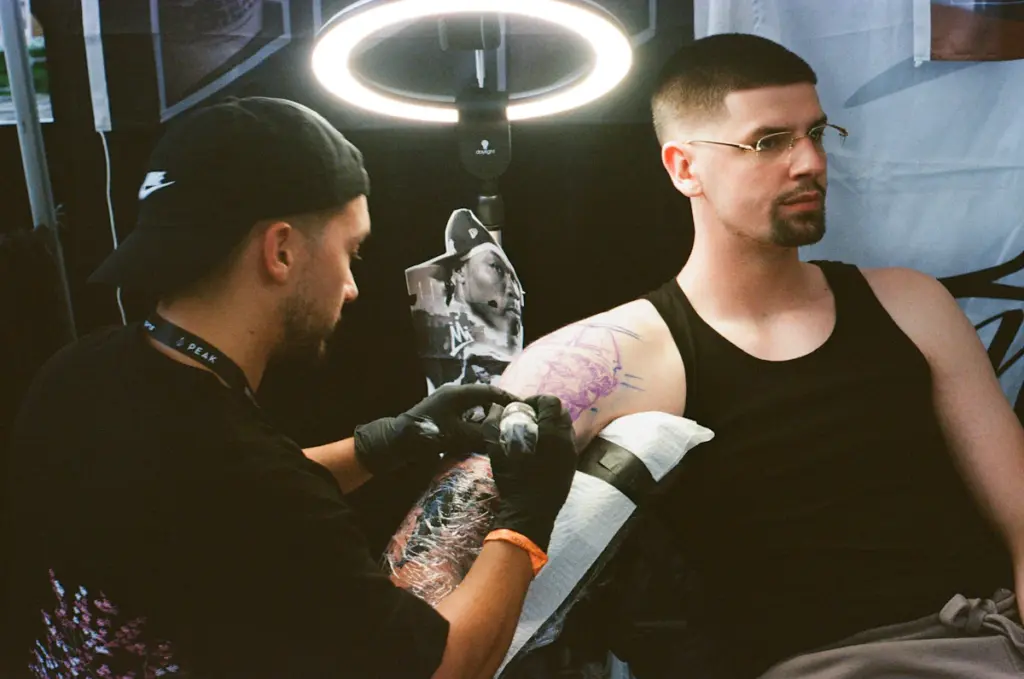
Tattoo shop marketing in the USA revolves around artists and their portfolios. Clients choose a shop because they love an artist’s style, trust the shop’s hygiene and professionalism, and can book without hassle. The shops keeping their artists booked showcase each artist’s portfolio, invest in Instagram, use clear booking and deposit systems, rank in Google Maps, collect reviews, run flash events, publish style and service pages, provide aftercare guidance, display hygiene and licensing trust signals and make sure AI tools describe them accurately.
Step 1: Artist portfolios
Give each artist a page with their best healed work, preferred styles (fine line, traditional, realism, blackwork, Japanese, colour), availability and booking link. Clients often search by style.
Step 2: Instagram
Instagram is the tattoo industry’s portfolio platform. Post finished pieces, healed photos, time-lapses, flash sheets and artist stories. Each artist should have a strong presence, tagged with the shop and city.
Step 3: Booking and deposits
An online booking form collecting placement, size, style and reference images, followed by consultation and deposit, reduces no-shows and wasted time. Explain the process and policies clearly.
Step 4: Google Maps
Use the Tattoo Shop category, keep hours accurate, upload work and studio photos and post regularly. See our guide to local marketing strategies in the USA.
Step 5: Reviews
Ask clients for reviews mentioning their artist. Reviews about cleanliness, comfort and artistry help nervous first-timers choose you.
Step 6: Flash events
Flash days, Friday the 13th events and charity flash drives create buzz and fill schedules.
Step 7: Style and service pages
Create pages for popular styles, cover-ups, touch-ups, piercings if offered, and first-tattoo guides. These capture specific searches.
Step 8: Hygiene and licensing
Display state and local licences, bloodborne pathogen training, sterilisation practices and single-use equipment. Trust matters, especially for first-timers.
Step 9: Aftercare content
Aftercare guides help clients heal well, reduce touch-up requests and rank in search.
Step 10: AI search
People ask AI tools “best fine line tattoo artist in [city]” or “how much does a small tattoo cost”. Style pages, pricing guidance and FAQ schema help your shop be cited. For related beauty businesses, see our guides to salon marketing and spa marketing.
What to expect
Flash events and Instagram activity fill schedules quickly. Google Maps and style pages build over months. Reviews and artist reputations compound over years.
Getting help
One option is the tattoo shop marketing programme from QHR Solutions, which covers websites, local SEO, Google Business Profile, social media and AI search visibility, with a free audit and 90-day plan within 48 hours and no lock-in. (Disclosure: QHR Solutions built and supports this publication.)
A 30-day checklist
- Create artist portfolio pages.
- Post healed work photos weekly.
- Set up a booking form and deposit policy.
- Update Google Business Profile.
- Request reviews mentioning artists.
- Plan a flash event.
- Create style pages.
- Display licences and hygiene practices.
- Publish an aftercare guide.
- Add FAQ schema.
How clients choose a tattoo artist
Tattoo clients usually choose the artist first and the shop second. They scroll Instagram looking for a style they love, check the artist’s healed work, read reviews about the experience, and then look at practical details like pricing, wait times and location. That means the shop’s marketing job is to make every artist easy to discover and to make the shop itself feel safe, professional and welcoming. Shops that market only the brand, without showcasing individual artists, miss most of how clients actually decide.
First-timers need extra reassurance
People getting their first tattoo have many worries: how much it will hurt, how to choose placement, how much it costs, how long it takes, what to wear, and whether the shop is clean. A first-tattoo guide answering these questions, a welcoming tone, and photos of a bright, clean studio make a huge difference. Encourage artists to offer short consultations, and make it clear that clients can ask questions without pressure.
Pricing and deposits explained
Pricing varies by artist, size, detail, placement and time. Many shops charge a shop minimum for small pieces and hourly or day rates for larger work. Explaining how pricing works (even without exact numbers) reduces awkward conversations and filters out mismatched expectations. Deposits secure appointment time and reduce no-shows; state clearly whether deposits are refundable, transferable and deducted from the final price.
Waitlists and books opening
Popular artists often open their books for a short window. Announcing book openings to an email or text list, as well as on Instagram, rewards loyal followers and fills schedules quickly. Keep a waitlist for cancellations and let clients know how it works.
Guest artists, conventions and collaborations
Guest artists bring their own followers and new styles. Tattoo conventions build reputation and reach. Collaborations with local businesses, such as flash days at a brewery or charity events, create buzz. Promote these widely and capture contact details from attendees.
Health, safety and regulation
Tattooing is regulated at state and local levels, with licensing, inspections and age requirements. Display licences, describe sterilisation and single-use equipment, and explain your age and ID policy. Clear aftercare guidance protects clients and your work.
Common mistakes to avoid
- Only fresh photos. Healed work proves quality; fresh photos alone can look misleading.
- Inconsistent booking. Mixing DMs, calls and walk-ins without a system loses clients.
- No artist pages. Clients who cannot find an artist’s style on your site go elsewhere.
- Ignoring reviews. Responses to reviews show professionalism.
How to measure what is working
Track bookings by artist and source, consultation-to-booking rate, deposit no-show rate, average ticket and repeat clients. Review monthly and help artists double down on the styles and channels bringing them their best clients.
A realistic example
Imagine a five-artist tattoo shop where two artists were booked months ahead and the others had gaps. The shop’s website had a single gallery mixing everyone’s work, and bookings came through scattered Instagram messages. The owner created individual artist pages with healed portfolios, preferred styles and booking links, introduced a standard booking form with reference uploads and a clear deposit policy, and organised a monthly flash day promoted across all artists’ accounts. A first-tattoo guide addressed common nerves, and the shop began asking every client for a Google review mentioning their artist. Newer artists started filling their schedules from flash days and style-specific searches, no-shows fell thanks to deposits, and the shop’s Google rating improved.
Your first 90 days
Month one: create artist pages, set up a booking form and deposit policy, and update the Google profile with studio and healed work photos. Month two: publish a first-tattoo guide and aftercare page, plan a flash event, and start collecting reviews. Month three: invite a guest artist, build an email list for book openings, and review bookings by artist and source.
How much to budget
Most tattoo shop marketing is low-cost: time spent on Instagram content, a professional website with booking, printing for flash events and occasional local ads. Track bookings and deposits by artist and channel, and help artists invest their effort where their best clients come from.
What clients look for before they book
Tattoo clients choose an artist more than a shop. Before booking, they study portfolios closely to find an artist whose style matches their idea, whether fine line, traditional, neo-traditional, realism, blackwork, Japanese or colour work. They want to see healed tattoos, not just fresh ones, because healed work shows true skill. They look for hygiene and licensing information, pricing structure such as hourly rates or day rates, deposit and cancellation policies, and how consultations and design revisions work. First-time clients also want reassurance about pain, aftercare and what to expect during the appointment.
Give each artist a page with a healed portfolio, styles, booking availability and policies. Publish a clear aftercare guide and an FAQ for first-time clients. Content such as how much a small tattoo costs or how to prepare for a tattoo session helps searchers and is often summarised by AI tools.
Questions to ask before hiring a marketing partner
Ask whether they understand that artist reputation drives bookings, and how they will help each artist build their portfolio audience. Ask how they will track deposits and booked sessions, how they handle platform restrictions on tattoo content, and who owns accounts.
Building authority beyond your website
Tattoo conventions, guest spots, collaborations with local artists and businesses, and features in tattoo publications raise visibility. Consistent Google and Yelp listings help AI recommendations.
Timing and planning
Bookings often rise in spring and before summer. Open books and promote flash events ahead of these periods, and use slower months for larger custom pieces.
Quick checklist
- Create artist pages with healed work.
- Use a booking form with deposits.
- Publish an aftercare guide.
- Run regular flash events.
- Ask clients for reviews naming their artist.
- Track bookings by artist and source.
Tattoo shops that help every artist build a following keep the whole studio busy.
Healed work photographed well is the most persuasive marketing a tattoo shop can publish.
Frequently asked questions
How do tattoo shops get more clients?
Strong artist portfolios, Instagram, Google Maps, reviews, flash events and easy booking.
Should tattoo shops take deposits?
Yes. Deposits reduce no-shows and secure appointment time.
Why show healed work?
Healed photos prove quality over time, not just fresh results.
Do flash events work?
Yes. They create buzz and bring in new clients.
Does AI search matter for tattoo shops?
Yes. Clients ask AI tools for artists by style and city.
Closing
Tattoo shop marketing is about artists, trust and ease. Show the work, prove the hygiene and make booking clear.